


Modern Side Table Trends: Curves, Mixed Materials & More
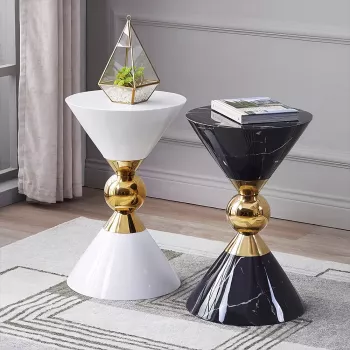
What are the latest trends in modern side tables?
Modern side tables are trending toward designs that look lighter, work harder, and mix materials in unexpected ways. Instead of acting as a simple perch for a lamp, the newest styles function like flexible “micro furniture” that can move room to room and adapt to different routines.
Mixed materials and warm metallic accents
One of the biggest shifts is the blend of contrasting finishes—think wood paired with stone-look tops, glass with metal frames, or matte lacquer with brushed brass. Warmer metals (champagne, bronze, and soft gold tones) are replacing stark chrome in many contemporary rooms, adding a subtle glow without feeling flashy.
Rounded silhouettes and softer edges
Curves are everywhere: drum bases, oval tops, and pill-shaped forms that soften a space filled with right angles. Rounded corners are also practical in tight layouts, making side tables easier to navigate beside sofas, sectionals, and beds.
Nesting, C-tables, and flexible layouts
Compact nesting sets and slim C-shaped tables are popular for small spaces and multifunctional living rooms. Nesting tables let you expand surface area when guests arrive, then tuck pieces away. C-tables slide under a sofa or chair, creating an instant laptop or snack spot without adding visual bulk.
Storage-forward details
Modern side tables are increasingly designed with drawers, shelves, or hidden compartments to keep remotes, chargers, and coasters out of sight. Look for designs that balance clean lines with just enough storage to reduce clutter—especially in open-concept spaces.
Statement bases and sculptural forms
From fluted pedestals to asymmetrical legs, sculptural bases are turning side tables into decor. These pieces work well when the rest of the room is minimal, letting the table add personality without requiring extra accessories.
For more examples, materials, and styling ideas, visit the main guide to the latest trends in modern side tables.
FAQ
How do I choose the right size side table for my sofa?
Aim for a height close to the sofa arm (within about 1–2 inches) and a top that’s large enough for everyday essentials without crowding the seating area. In tighter rooms, a narrower table or a C-table can provide function without taking up much floor space.









Leave a comment