


Best Book for a Calm Mind: Guided Reads That Relax
Which book is best for a calm mind?
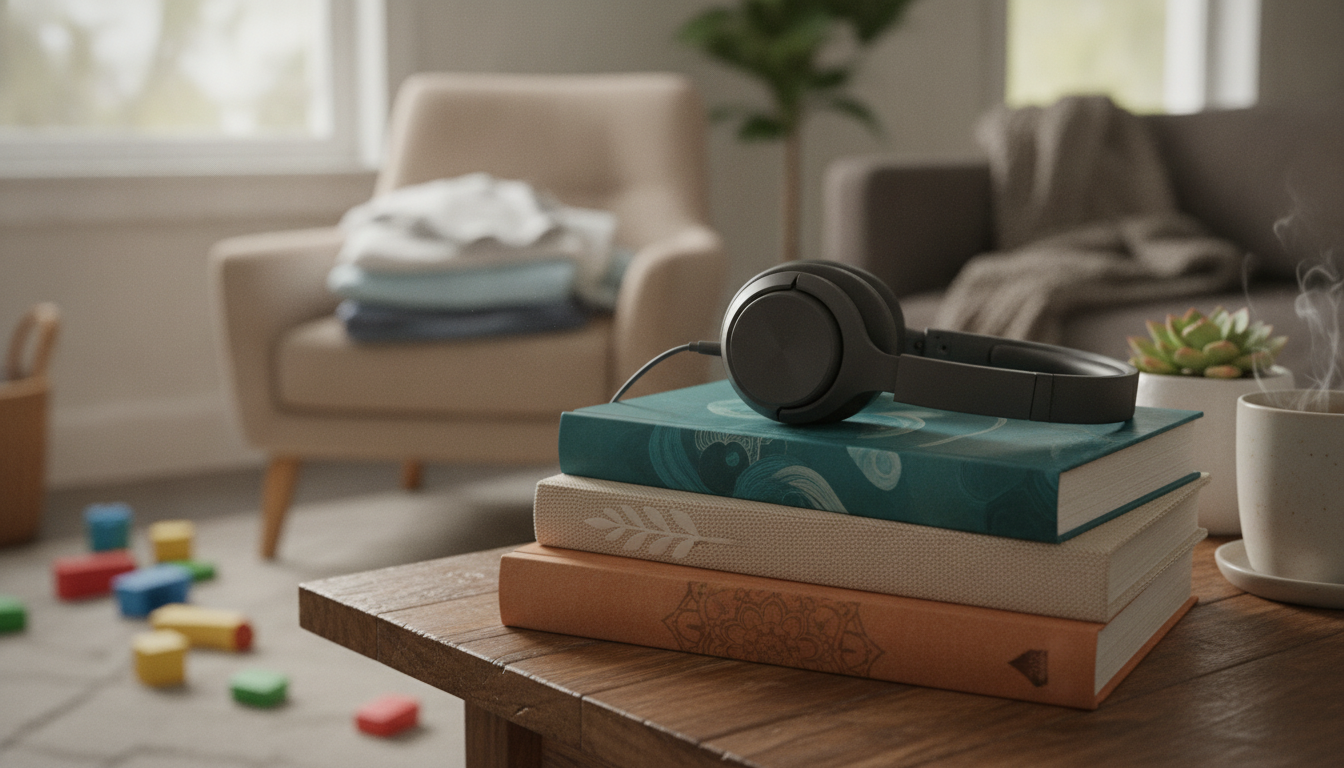
The best “book” for a calm mind is the one that reliably slows your breathing, softens muscle tension, and brings your attention back to the present. For many people, a guided meditation book (or a book paired with audio guidance) works better than dense theory because it gives you something to do: follow a voice, notice sensations, and return when the mind wanders.
If you want a practical, low-effort option that feels like a calm companion rather than homework, a short guided meditation program is often the most effective starting point—especially when anxiety is part of the picture. A structured sequence helps you build consistency, and consistency is what turns a calming session into a calmer baseline.
What to look for in a calming read (or listen)
Choose a title or program that matches your nervous system on a tough day. Look for: simple language, short sessions or chapters (5–15 minutes), repeatable exercises, and a reassuring tone that doesn’t pressure you to “empty your mind.” If you’re easily overstimulated, avoid overly technical books at first; pick something that focuses on grounding, breathing, and gentle awareness.
A strong option when you want guidance day by day
A guided approach can feel more calming than reading alone because you don’t have to decide what to do next—you just follow along. If that sounds appealing, try this 7-day guided meditation audio course for anxiety relief. It’s designed to be approachable and structured, which can make it easier to unwind, reset, and keep going even when your mind feels busy.
How to use a book for a calmer mind
Set the bar small: one short session at the same time each day. Read (or listen) sitting up, breathe slowly, and stop before you feel restless—ending on a good note makes it easier to return tomorrow. If sleep is the goal, do the practice in bed with the lights low and keep your phone on Do Not Disturb.
FAQ
What is a simple meditation routine for beginners?
Start with 5 minutes of slow breathing, then spend 2–5 minutes noticing sensations in the body (feet, hands, jaw) and gently returning attention whenever you drift. Do it daily for a week before increasing time.















Leave a comment