


Cordless Robotic Pool Cleaner: Suction, Self-Parking Tips
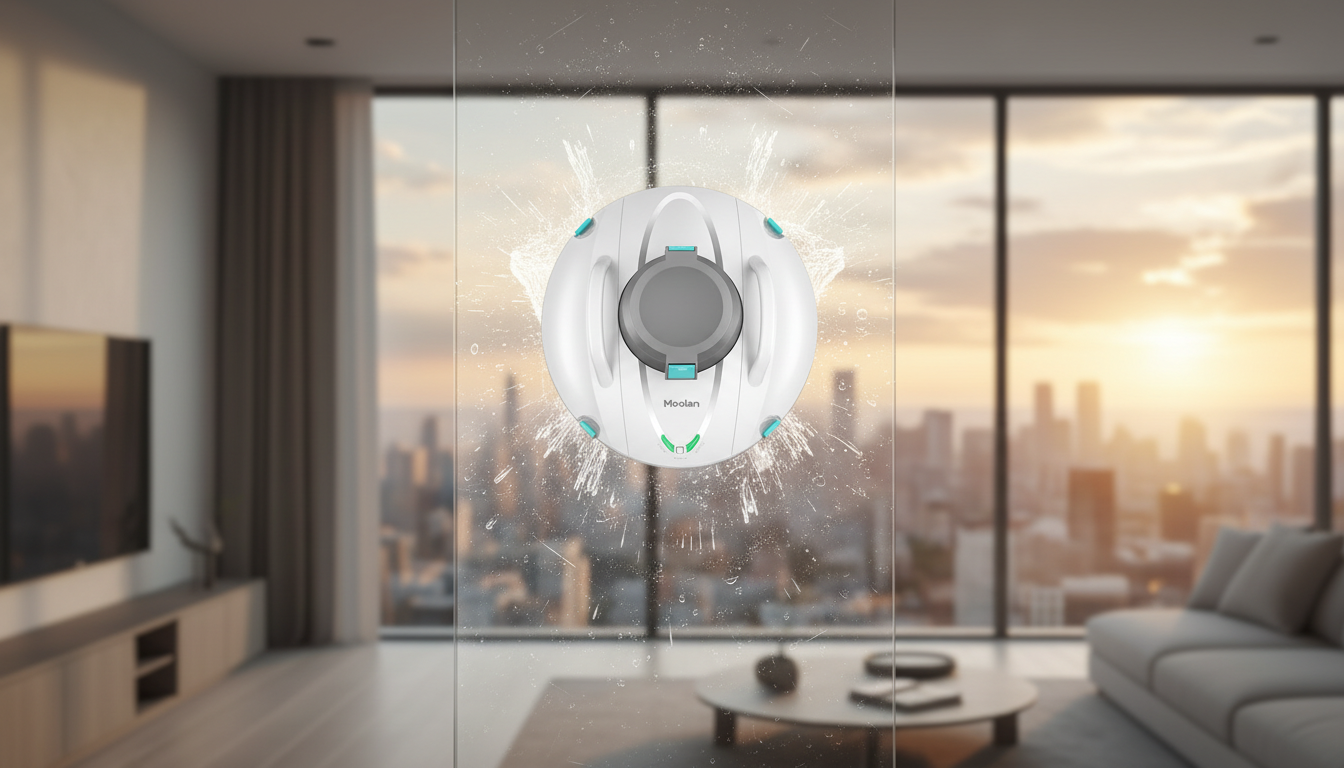
Efficient Cordless Robotic Pool Cleaner with Advanced Suction & Self-Parking
A cordless robotic pool cleaner can take over daily debris pickup without hoses, booster pumps, or tangled cables. This guide breaks down what to expect from advanced suction and self-parking, how to match a robot to a pool, and the habits that keep cleaning performance consistent over time.
What a Cordless Robotic Pool Cleaner Does (and Doesn’t Do)
A cordless robotic pool cleaner moves across the pool floor and collects common debris—sand, leaves, silt, and insects—into an internal basket or filter. By capturing particles before they break down, it can reduce the time spent manual vacuuming and help stabilize water clarity between regular filtration cycles.
What it does not do is replace water chemistry or circulation fundamentals. pH, sanitizer level, and routine filtration still need attention to keep water safe and comfortable. For the most consistent results, use a simple routine: skim large debris first, brush problem areas (steps, corners, and ledges), then run the robot to pick up what’s settled.
Advanced Suction: What It Means for Real-World Debris
“Advanced suction” is more than marketing when it translates into better pickup of heavier debris like sand and grit, plus finer particles that can cloud water. Strong suction helps, but it’s only part of a system: brushing action loosens stuck-on dirt, water flow through the filter determines how quickly the robot can keep collecting, and wheel/track traction affects whether it reaches the areas that matter.
Pay attention to the debris path and basket fit. A sealed, well-fitted basket or filter tray helps prevent fine dirt from escaping back into the pool. Also consider power consistency: for larger pools, a robot that maintains suction until the end of its cycle is less likely to leave a “ring” of debris behind.
Debris Types and What to Watch For
| Debris | Common Challenge | Helpful Feature | Practical Tip |
|---|---|---|---|
| Leaves and twigs | Clogs intake or fills basket quickly | Large-capacity basket and wide intake path | Skim first after storms to prevent mid-cycle stops |
| Sand and grit | Settles into corners and along slopes | Strong suction with effective brushing | Brush steps/ledges occasionally so grit gets lifted |
| Fine silt/pollen | Passes through coarse filters | Finer filtration and tight basket sealing | Rinse filters after each cycle to maintain flow |
| Insects and organic debris | Breaks down into finer particles | Consistent circulation through filter | Run more frequently in hot weather to reduce load |
Self-Parking: Easier Retrieval and Less Guesswork
Self-parking is designed to guide the cleaner to a more accessible location when the cleaning cycle ends or the battery is running low. That means less time “fishing” for a robot in the deep end and fewer reasons to leave it submerged longer than necessary.
For smooth day-to-day use, note where the unit typically parks and keep that area clear of floating obstacles. Retrieve it soon after it parks, empty the basket, and rinse the filter so the next cycle starts with full airflow and strong pickup. If you notice the parking behavior changing, the usual causes are a clogged filter, traction issues on slick surfaces, or reduced battery health that shortens the cycle unexpectedly.
Cordless Battery Considerations for Pool Robots
Battery capacity, motor efficiency, and drive design determine how much of the pool can be covered per charge. Runtime can also vary with water temperature—colder water often reduces available runtime—so early-season cleaning may require slightly more frequent cycles.
Charging habits influence longevity. Follow the manufacturer’s guidance for drying the unit externally before charging, especially around connectors and seals. For storage, keep the robot out of direct sun and away from extreme heat; both conditions accelerate battery aging.
Pool Compatibility Checklist
Not every pool surface and layout behaves the same under a robotic cleaner. Before choosing a model, confirm the basics that affect traction, navigation, and coverage:
Setup and Daily Use Routine
Care, Cleaning, and Storage to Maintain Suction
When a Robot Cleaner Is the Right Upgrade
For best results, treat a robot as a partner to proper circulation and filtration—not a replacement. For pool care and safety fundamentals, review guidance from the CDC Healthy Swimming program and the Pool & Hot Tub Alliance (PHTA).
Product Spotlight: Efficient Cordless Robotic Pool Cleaner with Advanced Suction & Self-Parking
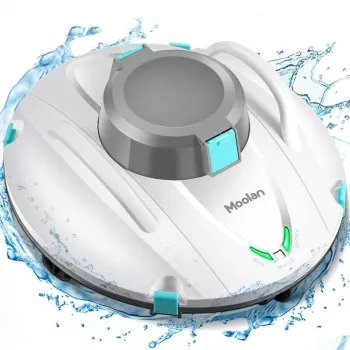
If convenience matters as much as cleanup strength, Efficient Cordless Robotic Pool Cleaner with Advanced Suction & Self-Parking is built around cord-free operation to reduce tangles and simplify start/stop routines. Advanced suction helps target heavier debris plus finer particles that settle on the floor, while self-parking supports faster end-of-cycle retrieval—making it easier to stick to the post-clean routine that keeps suction strong over time.
Quick Snapshot
| Item | Detail |
|---|---|
| Product | Efficient Cordless Robotic Pool Cleaner with Advanced Suction & Self-Parking |
| Price | $1190.99 USD |
| Availability | In stock |
| Best for | Regular floor debris pickup with easier retrieval |
More In-Stock Home Picks
- Modern Chrome Writing Desk for Home Office
- Ceramic Vessel Sink with Peony Flower Design
- Sturdy Car Dog Hammock With Side Flaps
FAQ
How often should a cordless robotic pool cleaner be run?
Base it on debris load and season. Many pools do well with several runs per week, then increase frequency after storms, heavy swimmer use, or high pollen days.
Why does a pool robot lose suction over time?
The most common causes are clogged or dirty filters, a basket that isn’t sealing fully, blocked intakes, or debris wrapped around moving parts that restricts flow and reduces cleaning efficiency.
What does self-parking do at the end of a cleaning cycle?
Self-parking guides the cleaner to a more reachable area when the cycle ends or the battery is low. This makes retrieval quicker and reduces the chance the unit stays submerged longer than necessary.














Leave a comment