


Eagle Lamps: Metal, Resin, Wood & Stone Explained
What are eagle lamps made of?
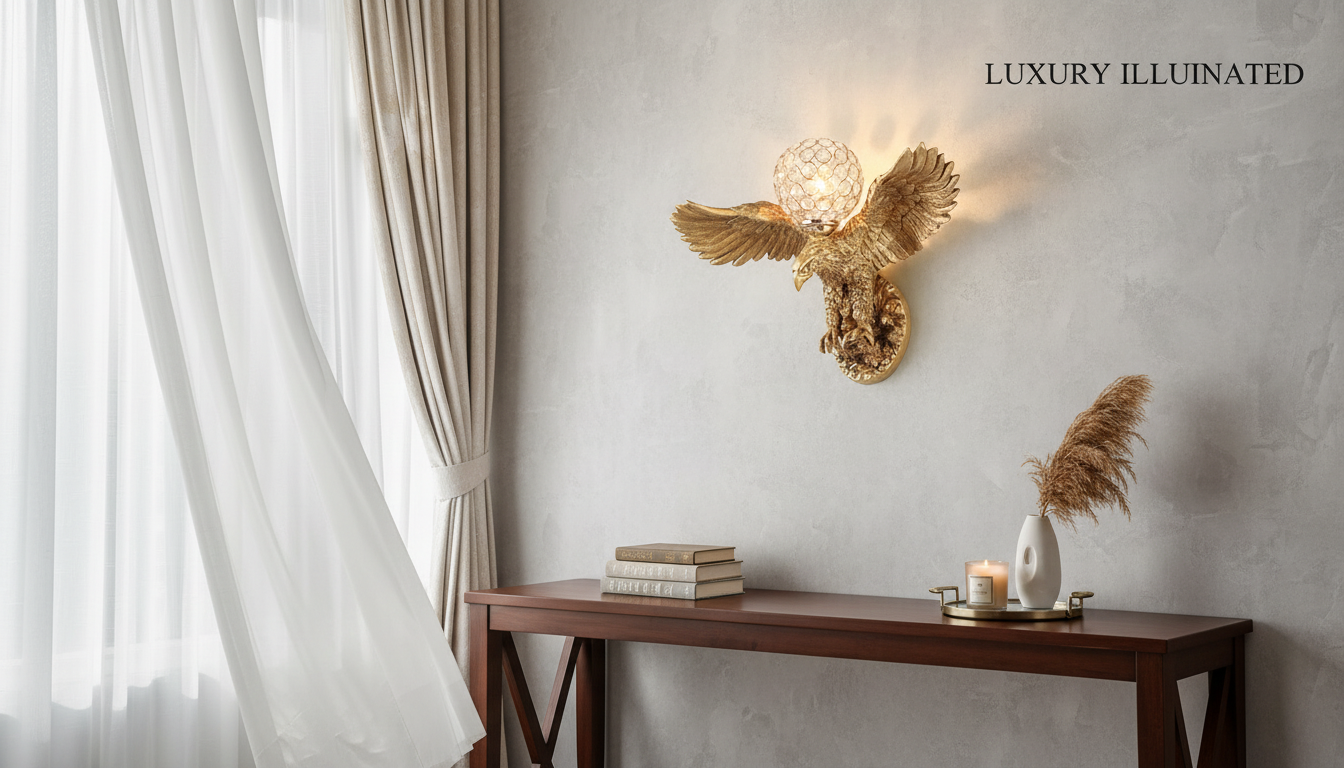
Eagle lamps are made from a mix of sturdy metals, cast resins, natural stone, and decorative shades—chosen to balance durability, detail, and the kind of finish that makes an eagle sculpture look lifelike. The exact materials vary by style (traditional, rustic, modern) and by whether the piece is meant to feel like a collectible figurine or a functional everyday lamp.
Common materials used for the eagle figure
Metal is a frequent choice, especially cast iron, aluminum, or brass-toned alloys. Metal bodies add weight and stability, hold crisp sculpted features (like feathers and talons), and can be finished in antique bronze, gold, or brushed tones.
Resin (often polyresin) is also widely used for eagle lamps because it can capture fine detail at a lower cost than many metals. Resin pieces are typically hand-painted to create realistic feather shading, beak color, and a natural-looking posture.
Wood accents show up in rustic designs, such as an eagle perched on a faux log base or paired with a wood-toned stand. Some lamps use solid wood, while others use wood-look composites for a similar appearance with easier maintenance.
Stone and stone-look bases (like marble or faux marble) are popular for a more formal presentation. The heavier base helps keep the lamp steady and can complement classic décor.
What the lamp parts are usually made of
The lamp hardware (socket, harp, finial, and internal supports) is commonly metal for safety and strength. The shade is often fabric (linen, burlap, or polyester blends), glass (including stained or frosted styles), or metal in more industrial designs. Some eagle lamps use mica-style panels for a warm, lodge-inspired glow.
Finishes and protective coatings
To protect the surface and enhance color, manufacturers may apply powder coating, lacquer, or hand-painted sealants. These finishes help resist light scratches and make dusting easier, especially on feathered textures.
For a deeper breakdown of typical builds and finishes, visit the main guide: https://agathin.com/what-are-eagle-lamps-made-of/.
FAQ
Are resin eagle lamps durable?
Yes—quality polyresin is tough for indoor use and holds detailed sculpting well. Keeping it out of direct impact zones and cleaning gently helps prevent chips and paint wear.














Leave a comment