


Small Vintage Nordic Drawer Organizer: Typical Dimensions
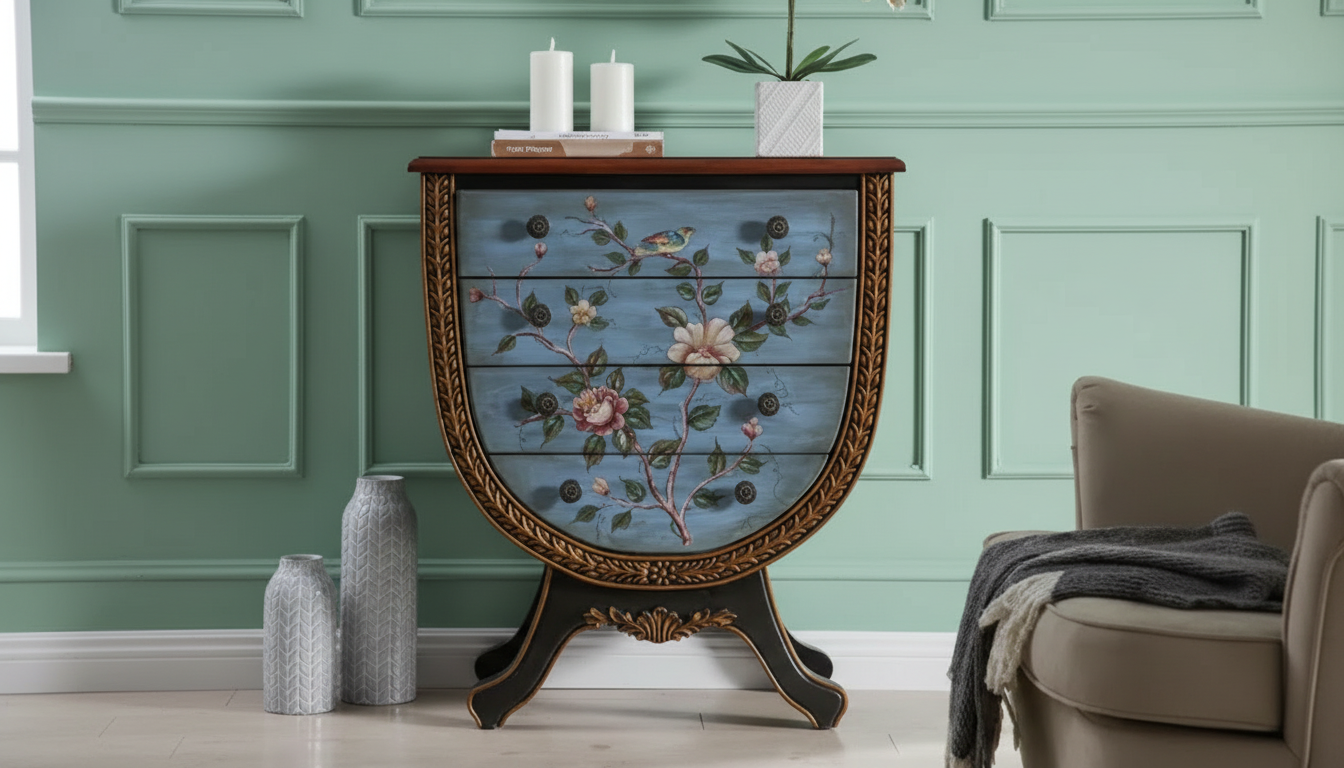
What are the typical dimensions of a small vintage Nordic drawer organizer cabinet?
Small vintage Nordic drawer organizer cabinets are usually compact enough for a desktop, countertop, or a narrow shelf, with proportions that prioritize lots of shallow storage over height. While sizes vary by maker and era, many “small” pieces fall into a predictable range.
Typical overall size range
A common footprint is about 12–18 inches wide, 7–12 inches deep, and 10–18 inches tall. Many popular examples land near 14–16 inches wide, 9–11 inches deep, and 12–15 inches tall, making them easy to tuck beside a monitor, under a wall shelf, or on a craft table.
Drawer count and what that means for height
Small Nordic organizers often have 4 to 12 drawers. Fewer drawers typically means taller individual drawer fronts and a lower overall height, while multi-drawer units stack shallow drawers and end up a bit taller. If the cabinet has a thicker top panel or a base plinth, add roughly 0.5–1.5 inches of visual height compared with similar drawer counts.
Typical drawer sizing (useful for planning storage)
Many pieces use shallow drawers sized for paper goods, office supplies, or small parts. A typical small drawer might measure around 5–7 inches wide, 7–10 inches deep, and 1–2.5 inches tall internally, though internal space depends on joinery, runners, and whether the drawer is compartmentalized.
How to measure a vintage cabinet accurately
Measure overall width, depth, and height at the widest points, then measure a single drawer’s internal width/depth/height for real storage capacity. Also note protruding pulls, which can add 0.5–1 inch to depth and affect fit on narrow shelves.
For more detailed examples and size breakdowns, see the full guide: https://agathin.com/what-are-the-typical-dimensions-of-a-vintage-nordic-drawer-organizer-cabinet/.
FAQ
How do I choose the right drawer organizer size for my desk or shelf?
Start with the space you can spare, then leave at least 1–2 inches of clearance for hand access and ventilation. If you plan to place it under a shelf, confirm the total height including any feet and ensure drawers can open fully without hitting obstacles.














Leave a comment