


Cantilever vs Offset Umbrellas: Are They the Same?
What is the difference between a cantilever umbrella and an offset umbrella?
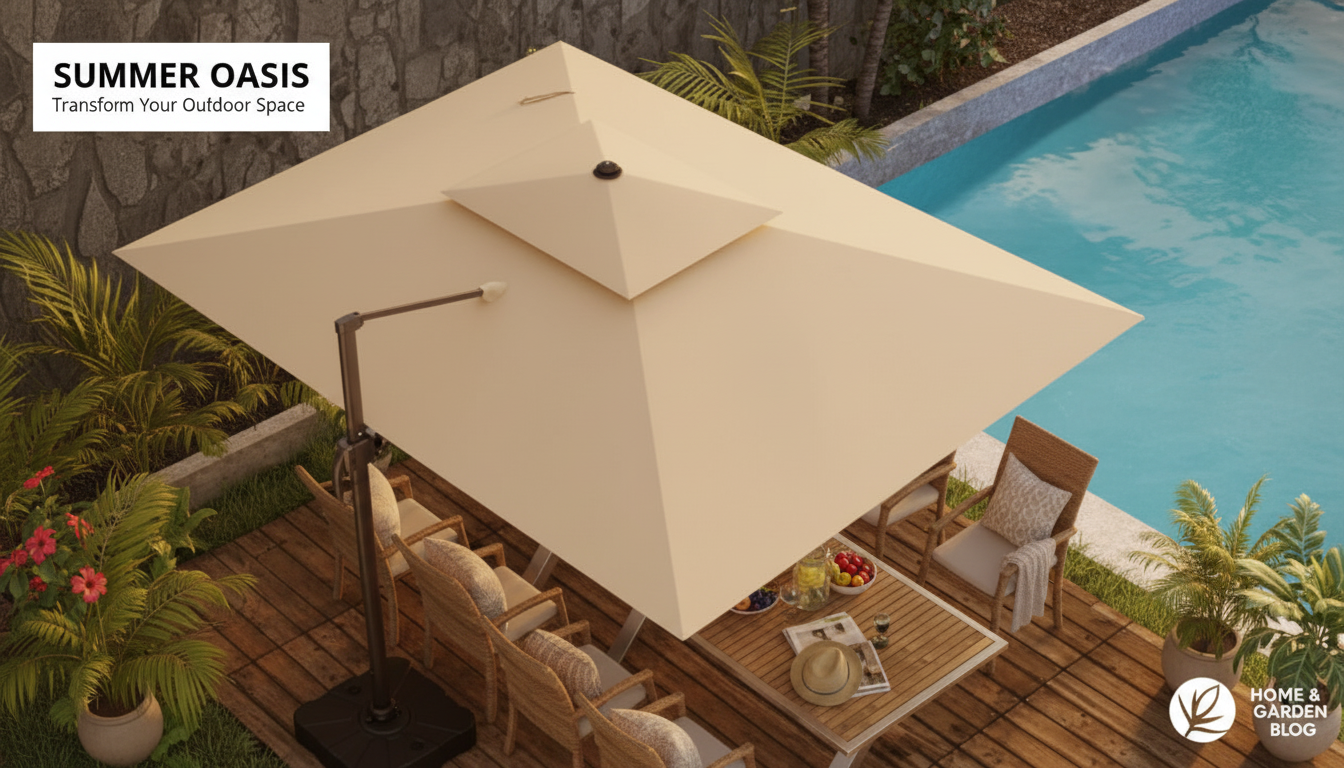
There isn’t a functional difference: a cantilever umbrella and an offset umbrella are typically two names for the same style. Both describe a patio umbrella with a side-mounted pole and a canopy that “hangs” over the seating area, rather than being supported by a center pole.
Same design, different labels
“Cantilever” refers to the engineering concept of a structure supported from one side, which fits this umbrella’s side-arm design. “Offset” describes the visual layout—the pole is offset to the side of the canopy. Retailers and manufacturers often use the terms interchangeably, so you’ll frequently see listings that say “cantilever/offset umbrella.”
What to expect from either type
Because the pole sits outside the shaded area, these umbrellas are popular for dining sets, sectional seating, and poolside loungers where a center pole would get in the way. Many models offer features like 360-degree rotation, tilt angles for changing sun positions, and crank-lift systems for easier opening and closing.
How they differ from center-pole umbrellas
The real comparison is between cantilever/offset umbrellas and traditional market umbrellas. Center-pole umbrellas are often lighter and simpler to set up, but the pole can interfere with table placement and foot traffic. Cantilever/offset styles provide more usable shade coverage, but usually require a heavier base (or in-ground mounting) for stability, especially in wind.
What to check before buying
Since “cantilever” and “offset” don’t reliably indicate a distinct construction, focus on practical specs: canopy size and shape, base weight requirements, tilt/rotation mechanism quality, fabric ratings (UV and fade resistance), and the frame material (aluminum is common for rust resistance). For a deeper breakdown and shopping considerations, visit the main guide here.
FAQ
How heavy should the base be for an offset patio umbrella?
Base needs vary by canopy size and local wind, but offset umbrellas generally require much more weight than center-pole styles—often a dedicated weighted base or anchored mounting system. Always follow the manufacturer’s minimum base-weight recommendation for the specific model.












Leave a comment