


Peony Ceramic Vessel Sink: Measurements, Pairings & Care
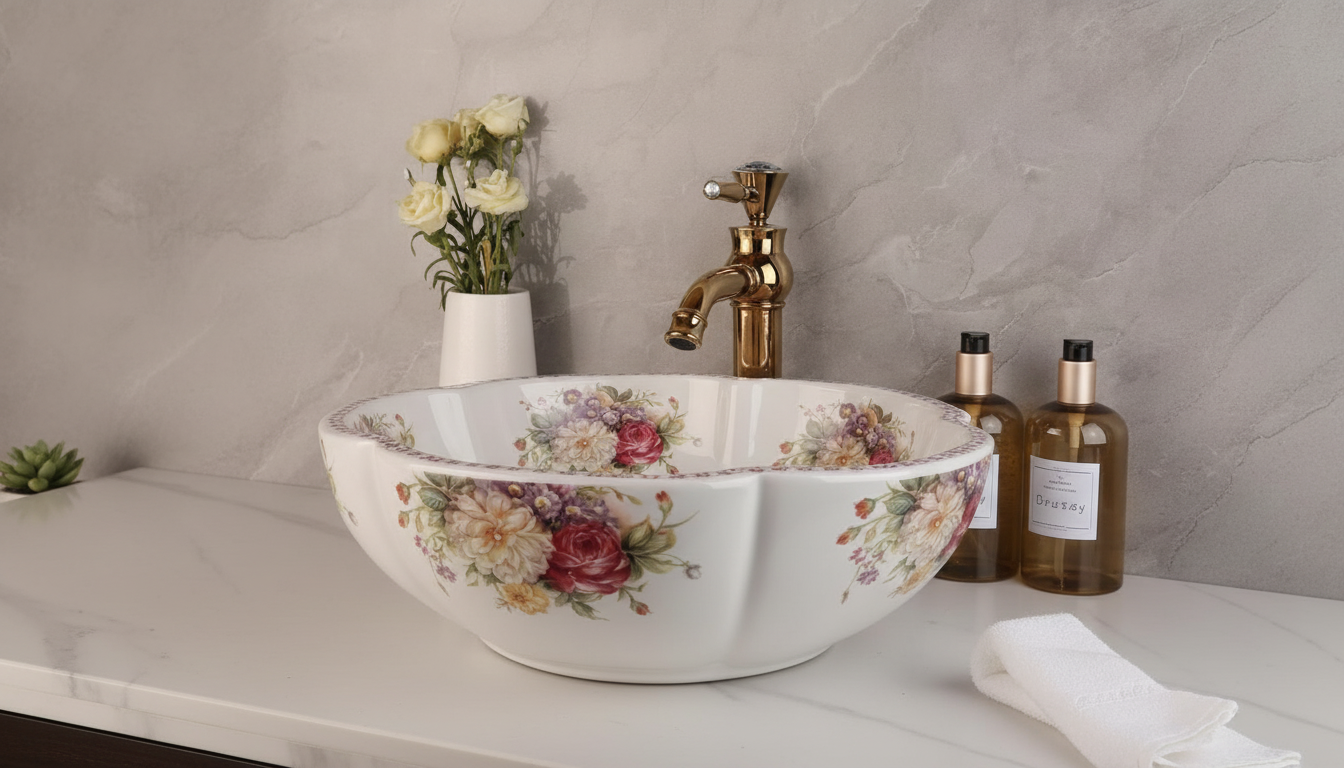
Ceramic Vessel Sink with Peony Flower Design
A ceramic vessel sink with a peony flower motif brings a sculptural focal point to the vanity while keeping daily cleanup straightforward. The above-counter profile adds height and dimension, so the sink reads like functional décor rather than just another fixture. If the goal is a bathroom that feels curated—somewhere between spa calm and boutique-hotel polish—a floral ceramic vessel bowl can do a lot of the heavy lifting without requiring a full remodel.
This guide breaks down what makes a peony-pattern vessel sink distinctive, what to measure before you order, smart ways to pair faucets and finishes, and simple care habits that help the glaze stay crisp for years.
What Makes a Peony-Pattern Vessel Sink Stand Out
A vessel sink sits on top of the counter, which naturally turns it into a visual centerpiece. That extra height and shadow line around the base creates depth on the vanity top—especially striking on minimalist slab counters.
The peony design adds meaning and softness. Peonies are often associated with prosperity and romance, which makes the motif feel right at home in serene, spa-like bathrooms, as well as more dramatic, “jewel box” powder rooms. Because the pattern is decorative but not cartoonish, it can feel elevated rather than overly thematic.
Ceramic is also a practical choice. A quality glazed ceramic surface is smooth and non-porous, helping it resist everyday staining when it’s wiped and rinsed regularly. And stylistically, the floral vessel bowl is versatile: it can contrast a modern vanity, support a classic look with traditional hardware, complement farmhouse textures, or tie into Asian-inspired interiors with warm wood and calm stone.
At-a-Glance Details
| Item | Details |
|---|---|
| Name | Ceramic Vessel Sink with Peony Flower Design |
| Type | Vessel (above-counter) sink |
| Material | Ceramic (glazed) |
| Price | $434.47 USD |
| Availability | In stock |
| Product page | View details |
Best for: powder rooms, guest baths, and primary baths where the vanity top has adequate depth and clearance for a vessel bowl.
Measurements to Confirm Before Ordering
Vessel sinks are simple in concept, but a few measurements prevent common comfort and splash issues.
Countertop depth and “edge feel”
Make sure the vanity top has enough front-to-back depth so the bowl doesn’t feel perched at the edge. A vessel sink is meant to look intentional—not like it’s hovering over the cabinet line.
Faucet compatibility (height and reach)
Decide whether the faucet will be wall-mounted or deck-mounted. Vessel sinks often need a taller vessel faucet, or a wall-mounted spout set at the right height. The key measurement is spout reach: water should land near the center of the bowl, not close to the rim.
Drain opening and overflow
Confirm whether the sink is designed for a drain with overflow or without overflow, then buy the correct drain assembly. Matching these parts avoids leaks and prevents the “wrong drain” installation delay.
Cabinet clearance and plumbing path
Check inside the vanity for space around the drain and P-trap. Some vessel installations require shifting shelves or choosing a vanity configuration that won’t conflict with drawers.
Comfort height at the rim
Because the bowl sits above the counter, the rim height ends up higher than a drop-in or undermount. If the vanity is already tall, a vessel sink can push the handwashing height into an awkward range. For accessible clearances and general planning references, it can help to review the 2010 ADA Standards for Accessible Design and general layout guidance from the National Kitchen & Bath Association (NKBA).
Design Pairings: Faucets, Vanities, and Hardware
Faucet finishes that flatter floral ceramic
Polished chrome reads bright and clean, making the glaze feel especially fresh. Brushed nickel softens the look and pairs well with warm neutrals. Matte black creates a gallery-like contrast that makes the peony motif feel more graphic. Brass or champagne tones add warmth—especially appealing if the bathroom includes wood cabinetry, cream stone, or blush accents.
Countertop materials and color
White quartz, pale marble-look surfaces, and light stone help the peony pattern look airy and refined. If the bathroom is meant to feel more dramatic, a charcoal or black countertop can frame the sink like artwork. Just keep in mind that hard-water spotting is more noticeable on darker surrounding surfaces, so frequent wipe-downs matter.
Vanity style choices
Mirror and lighting
Installation Notes for Vessel Sinks
Care and Cleaning for Glazed Ceramic
If you’re updating the faucet at the same time, choosing a water-efficient model can reduce splash intensity while saving water; the EPA WaterSense bathroom faucet guidance is a helpful reference point.
Who This Sink Is Best For
In-Stock Picks to Complete the Look
- Ceramic Vessel Sink with Peony Flower Design (in stock)
- Modern Chrome Writing Desk for Home Office (in stock) — a sleek option that can inspire a vanity-like silhouette when styled with a vessel sink and wall mirror.
FAQ
Do vessel sinks splash more than undermount sinks?
They can, but splashing depends more on faucet height, spout reach, and water flow than on the sink style alone. Centering the stream in the bowl and using an aerated faucet designed for vessel setups greatly reduces splash.
What type of faucet works best with a ceramic vessel sink?
A tall vessel faucet or a wall-mounted faucet tends to work best, as long as the spout reach delivers water near the center of the bowl. Also match the drain to the sink’s overflow configuration for a proper fit.
How should a ceramic vessel sink be cleaned without damaging the finish?
Use mild soap and a soft cloth, then rinse and dry to keep the glaze bright. Avoid abrasive pads and harsh chemicals, and treat hard-water spots with a gentle ceramic-safe cleaner.













Leave a comment