


Scandinavian House Style Explained: Light, Simple, Cozy

What is Scandinavian house style?
Scandinavian house style is a home design approach rooted in Nordic countries that prioritizes light, simplicity, and everyday comfort. It’s known for bright, airy rooms; practical layouts; and a calm, uncluttered look that still feels warm and lived-in.
Answer
At its core, Scandinavian style balances function and beauty. Spaces are designed to work well for real life—easy to move through, easy to clean, and easy to adapt—while still feeling inviting. You’ll typically see a neutral foundation (white, soft gray, warm beige) paired with natural materials, especially light-toned woods, wool, linen, and leather. Instead of heavy ornamentation, the focus is on clean lines and thoughtfully chosen pieces.
Lighting matters because Nordic winters are long and dark. Scandinavian interiors often maximize daylight with sheer window treatments (or none at all), pale walls that reflect light, and layered lighting—pendant fixtures, floor lamps, and table lamps—to create a gentle glow in the evenings.
Furniture tends to be streamlined and practical, with an emphasis on craftsmanship. Storage is a major part of the look: closed cabinets, tidy shelving, and multipurpose pieces that reduce visual noise. A Scandinavian space can still feel cozy through texture—think a wool throw on a sofa, a woven rug underfoot, and simple ceramics or glass accents. Plants and a few meaningful objects add warmth without clutter.
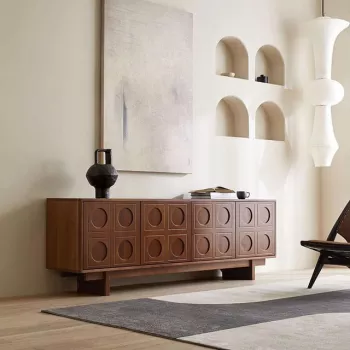
Scandi style also pairs naturally with retro touches, like mid-century-inspired wood silhouettes and tapered legs, as long as the overall palette stays calm and the room remains functional. For a helpful example of how Scandinavian and retro elements can meet in a living room—especially around smart storage—see this guide to a Scandi retro wooden TV stand with smart storage.
For Scandinavian House Style Explained: Light, Simple, Cozy, the best answer depends on fit, material, care instructions, and how the product will be used day to day.
FAQ
What colors are used in Scandinavian interior design?
Scandinavian interiors usually start with light neutrals like white, cream, and soft gray, then add muted accents such as sage, dusty blue, or warm terracotta. Natural wood tones and black details are often used to create gentle contrast.










Leave a comment