


Waterproof Outdoor Metal: Prep, Prime & Seal Against Rust
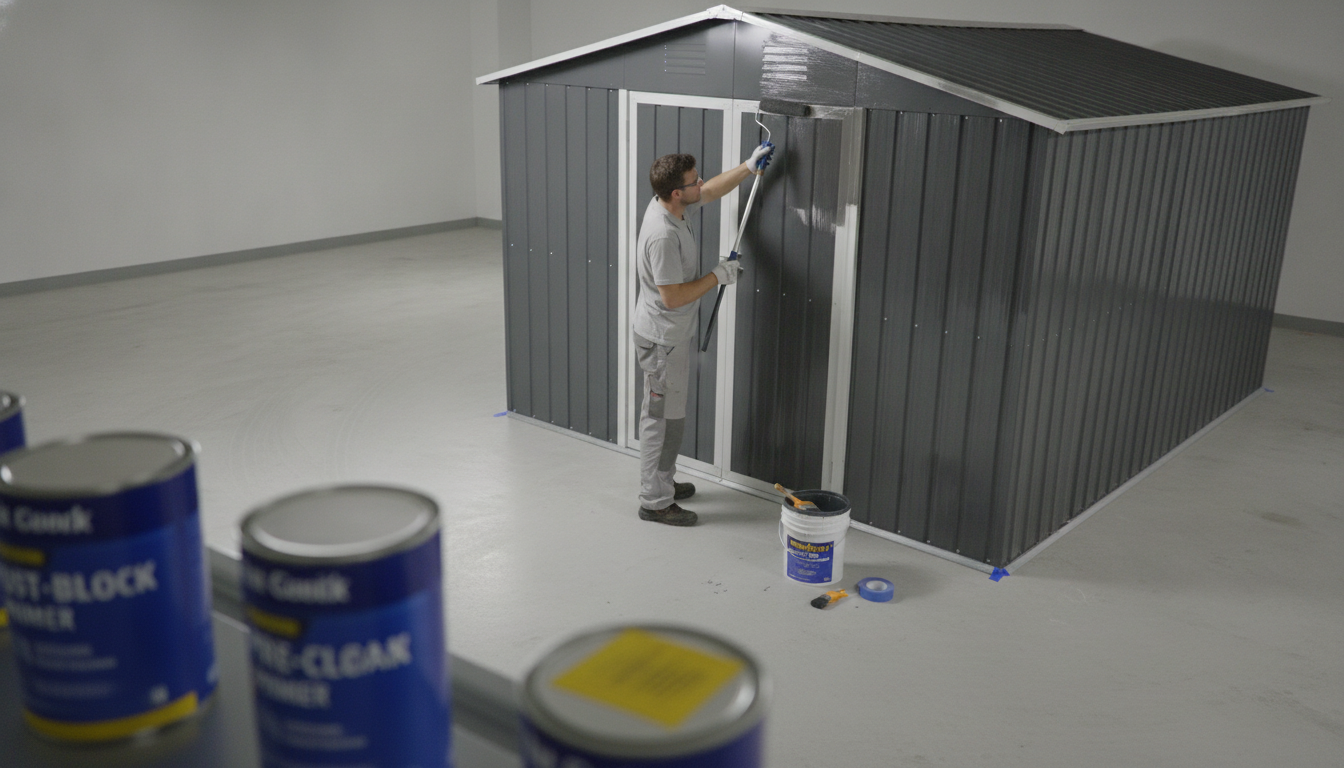
How to waterproof outdoor metal?
Waterproofing outdoor metal comes down to two goals: stopping existing rust and sealing the surface so water and oxygen can’t keep attacking it. The best results come from careful prep, the right primer, and a durable topcoat made for exterior exposure.
1) Clean off dirt, grease, and loose coating
Start with a thorough wash using warm water and a degreaser or detergent. Rinse well and let the metal dry completely. Any oil, chalky residue, or flaking paint left behind can prevent coatings from bonding, causing premature peeling and water intrusion.
2) Remove rust and smooth the surface
Scrub rust with a wire brush, sandpaper, or a flap disc until you reach solid metal (or at least tightly bonded surface). For stubborn spots, use a rust remover or rust converter designed for metal. Wipe away dust afterward so the primer adheres evenly.
3) Prime with a corrosion-resistant metal primer
A quality primer is your waterproofing “foundation.” Use a rust-inhibiting metal primer suitable for outdoor use, and match it to your metal type when possible (steel/iron vs. aluminum/galvanized). Apply the recommended film thickness and respect drying times; rushing this step can trap moisture and lead to bubbling.
4) Seal with an exterior-grade topcoat
Finish with a durable exterior paint or clear protective coating rated for metal and weather exposure. Apply two thin, even coats rather than one heavy coat to reduce runs and improve cure strength. Pay extra attention to seams, bolt heads, welds, edges, and undersides—these are common entry points for water.
5) Keep water from sitting on the metal
Even great coatings struggle if water pools. Improve drainage, add caps or covers where practical, and touch up chips quickly. Small dings can become rust starting points in a single season.
For product-type comparisons, step-by-step prep details, and coating options for different metals, see the full guide: https://agathin.com/how-to-waterproof-outdoor-metal/.
FAQ
What is the best paint or coating to prevent rust on outdoor metal?
Look for a rust-inhibiting primer topped with an exterior enamel, epoxy, or urethane coating rated for metal. The best choice depends on whether the metal is bare, previously painted, or galvanized, and how much sun and moisture it gets.











Leave a comment