


Python on ARM: Compatibility, Installs, and Gotchas
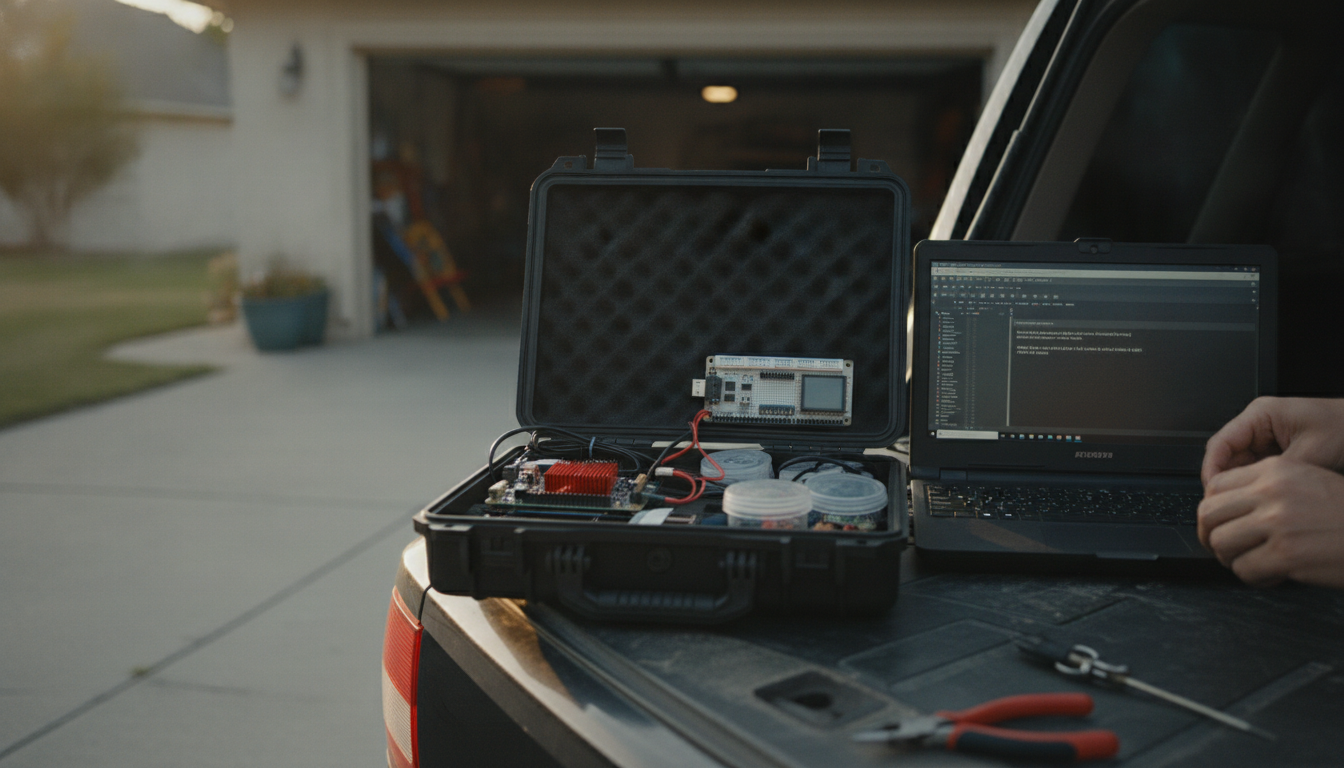
Can you use Python on ARM?
Yes—Python runs well on ARM processors, including the chips used in Raspberry Pi boards, many Android devices, and ARM-based servers. In most cases, you can install Python the same way you would on other platforms, as long as you choose packages and builds that support your specific ARM architecture (such as armv7, aarch64/ARM64, or armhf).
How Python support works on ARM
Python itself is portable and has long supported ARM on common operating systems like Linux. Many Linux distributions provide prebuilt Python packages for ARM, and Python can also be compiled from source when needed. On ARM64 systems, modern Python versions are widely available and typically perform reliably for scripting, automation, web apps, and data processing.
What to watch for: architecture and dependencies
The main “gotchas” usually come from third-party libraries rather than Python itself. Some packages include native extensions (compiled C/C++ components). If a package doesn’t provide a prebuilt wheel for your ARM variant, installation may require build tools and system headers—or it may not be supported at all. This is more common with specialized scientific stacks, hardware-accelerated libraries, or older projects.
Common ways to install Python on ARM devices
For many ARM Linux systems, the simplest option is using the OS package manager (for example, distro repositories). If you need a newer version, tools like pyenv or building from source can work, but they may take longer on lower-power boards. Containers can also help keep dependencies consistent, provided images exist for your ARM architecture.
Where to get a deeper walkthrough
For practical notes on ARM compatibility, installation options, and troubleshooting package issues, see the full guide here: https://agathin.com/can-you-use-python-on-arm/.
For Python on ARM: Compatibility, Installs, and Gotchas, the best answer depends on fit, material, care instructions, and how the product will be used day to day.
FAQ
Can Raspberry Pi run Python projects reliably?
Yes. Raspberry Pi models run Python very well for automation, GPIO projects, small servers, and lightweight data tasks; reliability mainly depends on power supply stability, storage quality, and using libraries that support your Pi’s ARM version.













Leave a comment