


Automatic Pool Vacuum in Your Pool: Safe Setup Tips
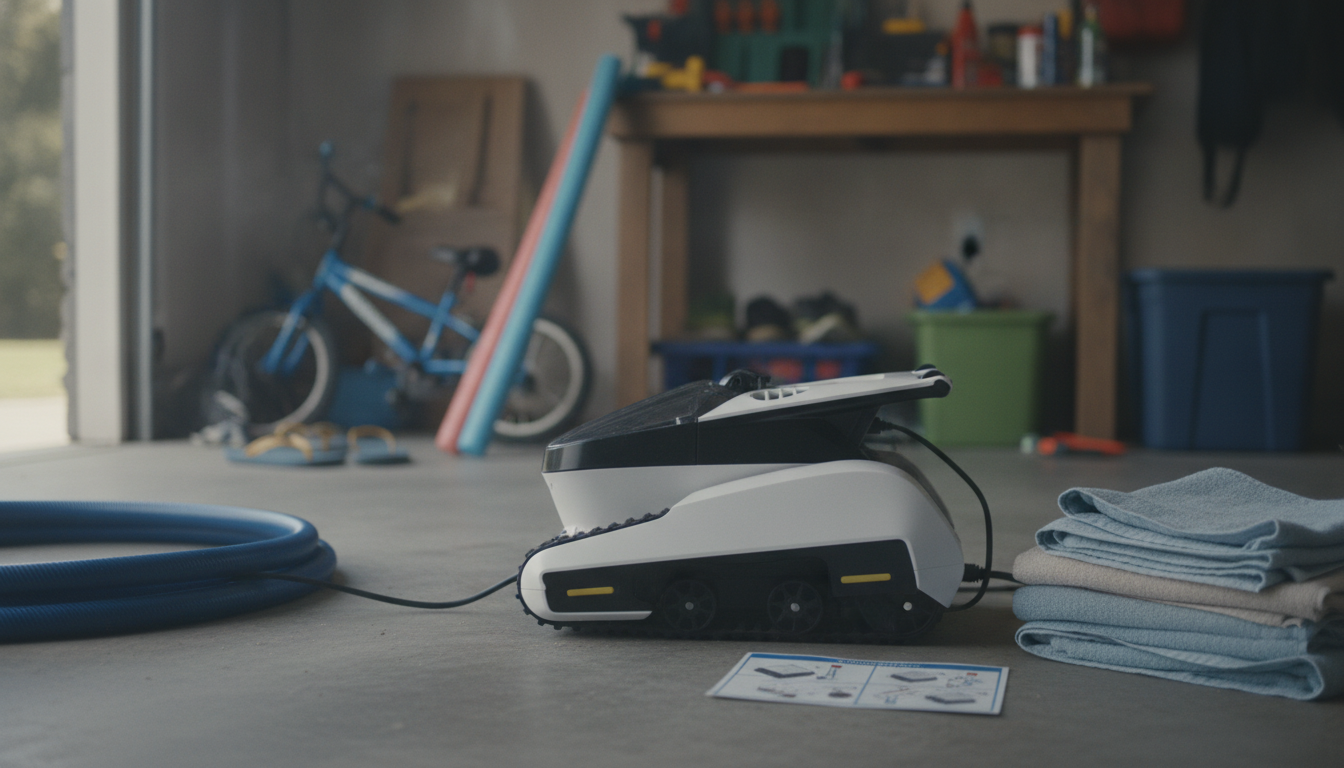
Can I put an automatic pool vacuum in my pool?
Yes—an automatic pool vacuum is designed to be placed directly in your pool and run while submerged. The key is choosing the right type for your pool (above-ground vs. in-ground, vinyl vs. plaster, and your pump/filter setup) and following the manufacturer’s setup steps so it moves, climbs, and captures debris correctly.
How to use an automatic pool vacuum safely
1) Match the vacuum to your pool and equipment
Robotic cleaners work independently from your pump and are usually the simplest option: drop it in, plug in the power supply, and let it run. Suction-side and pressure-side cleaners connect to your circulation system and rely on the pump, so they need compatible hose connections, adequate flow, and the right fittings (like a dedicated suction line or a booster pump for some pressure models).
2) Prep the pool so the cleaner can do its job
Skim large leaves and twigs first, then check the water level (too low can starve a suction cleaner). Empty baskets and clean/prime the system as needed. For robotic units, untangle the cable and submerge the cleaner slowly to release trapped air before starting a cycle.
3) Run it at the right time and monitor the first cycle
For suction/pressure cleaners, run the pump long enough for full coverage—often a few hours, depending on pool size and debris load. For robotic cleaners, choose a cycle that matches the mess (quick daily vs. deep clean). During the first run, watch for hose tangles, weak movement, or the unit getting stuck on steps, drains, or sharp corners.
4) Protect your surfaces and your vacuum
Use a model rated for your surface type, especially with vinyl liners. Keep brushes and tracks clean, and remove the vacuum after the cycle if recommended—especially robotic units—so the cord and seals last longer. If water chemistry is out of balance, correct it; extreme pH or calcium scaling can reduce cleaner performance over time.
For a deeper walkthrough on selecting and setting up the right cleaner, see the full guide here: https://agathin.com/can-i-put-an-automatic-pool-vacuum-in-my-pool/.
FAQ
Do I need to run the pool pump while an automatic pool vacuum is working?
Robotic vacuums don’t need the pool pump because they use their own motor and internal filter. Suction-side and pressure-side cleaners require the pump running, and some pressure-side models also need a booster pump.













Leave a comment