


Eco-Friendly Alternatives: Simple Swaps That Matter
What are eco-friendly alternatives?
Eco-friendly alternatives are products, materials, or habits designed to reduce waste, pollution, and resource use while still getting the job done. They typically rely on renewable, recycled, or responsibly sourced inputs and are made to be reused, repaired, refilled, or composted instead of tossed after one use.
Choosing greener options doesn’t require a total lifestyle overhaul. Swapping a few everyday items can cut down on trash, lower exposure to harsh chemicals, and reduce demand for virgin plastic and fast-disposable goods. For a deeper look and more examples, visit https://agathin.com/what-are-eco-friendly-alternatives/.
Common eco-friendly swaps that make a difference
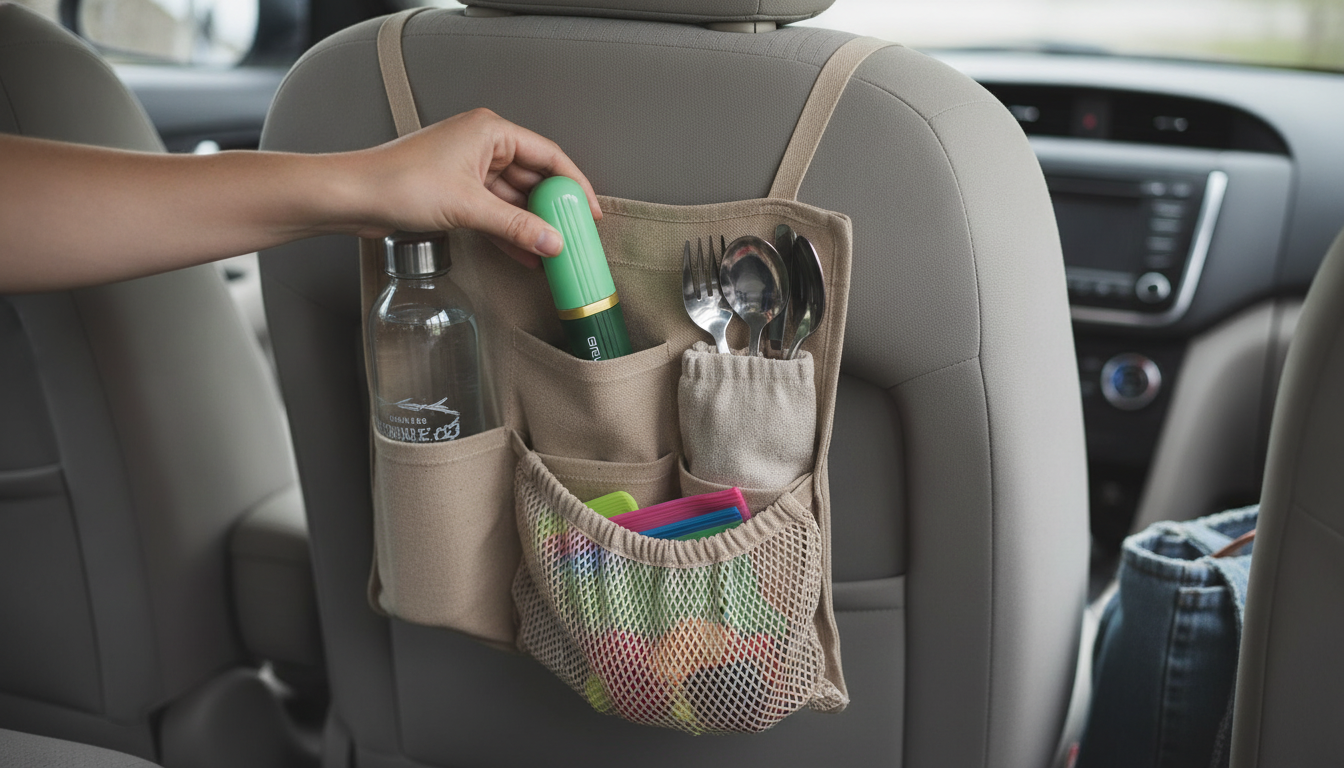
Reusable over disposable: Replace paper towels with washable cloths, single-use water bottles with stainless steel or glass, and disposable cutlery with a compact reusable set.
Plastic-free storage: Use glass containers, silicone bags, or beeswax wraps instead of plastic wrap and sandwich bags.
Refillable personal care: Try bar soap, shampoo bars, or refill stations for body wash and hand soap to reduce packaging waste.
Low-impact cleaning: Choose concentrated refills, reusable spray bottles, and simpler formulas (like plant-based surfactants) to minimize unnecessary chemicals and plastic.
How to spot a truly eco-friendly option
Durability: A product that lasts years usually beats a “green” item that breaks quickly and needs replacing.
Materials and sourcing: Look for recycled content, responsibly sourced wood/paper, organic natural fibers, or certified compostable materials when composting is actually available.
End-of-life plan: Prefer items that can be repaired, recycled locally, or composted at home/municipally.
Right-sizing: Buying only what’s needed (and using it fully) often has more impact than chasing the newest sustainable trend.
Easy places to start at home
Start with high-turnover categories: kitchen disposables, bathroom packaging, and cleaning supplies. One practical approach is to replace items only when the current one runs out, then upgrade to a lower-waste alternative. That keeps costs manageable and prevents unused products from going to waste.
FAQ
What are the most affordable eco-friendly swaps?
Start with reusables that replace items purchased repeatedly, like washable cloths instead of paper towels and a refillable water bottle instead of single-use bottles. Buying concentrates and refills can also lower cost per use while reducing packaging.
















Leave a comment