


Best Wind Turbine for Low Wind Speeds: What to Look For
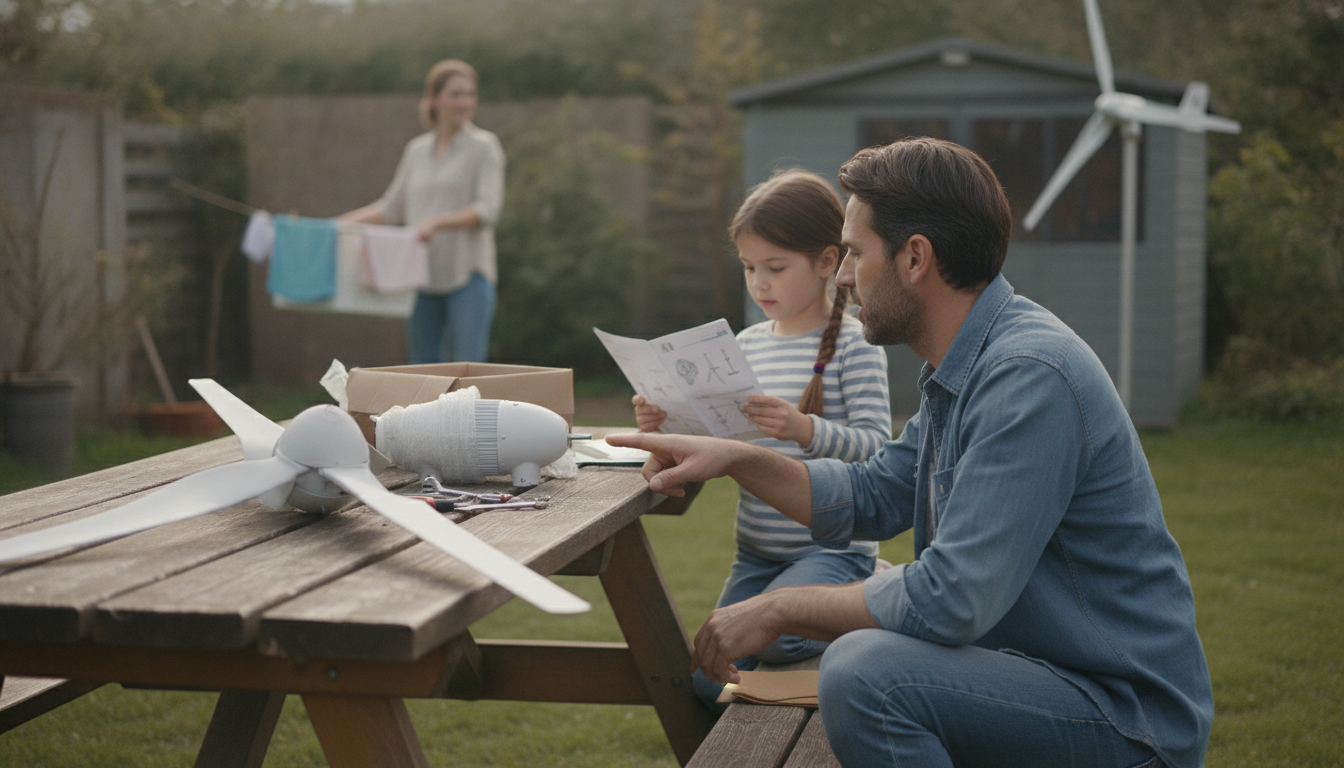
What is the best wind turbine for low wind speeds?
The best wind turbine for low wind speeds is one that starts generating at a low cut-in speed (ideally around 5–7 mph), has a larger rotor diameter for better energy capture, and uses an efficient generator and controller to reduce losses. In practice, turbines marketed as “low-wind” models tend to outperform standard small turbines in breezy but inconsistent areas because they can begin producing sooner and sustain output more smoothly as wind fluctuates.
What to look for in a low-wind turbine
Low cut-in speed (and honest power curves)
Cut-in speed is the wind speed where the turbine begins charging. For low-wind locations, prioritize a low cut-in speed and a published power curve from a reputable manufacturer. A turbine that only reaches meaningful wattage at high winds can be disappointing even if its “rated power” looks impressive.
Larger swept area and efficient blades
At lower wind speeds, rotor size matters. A larger swept area captures more energy, and well-designed blades help convert that energy into usable power without stalling in light winds. When comparing models, rotor diameter can be a more useful indicator than peak watt claims.
Matching the turbine to your system
Choose a turbine voltage that fits your battery bank and inverter plan (12V, 24V, or 48V). A quality charge controller/dump load setup is essential to protect batteries and manage excess power during gusts, especially if you’re off-grid.
Where low-wind turbines work best
Low-wind turbines can be a strong option for open properties, coastal plains, ridgelines, and farms where wind is steady but not extreme. They’re less effective in turbulent wind around rooftops, trees, and buildings; in those cases, a taller tower often improves performance more than upgrading the turbine alone.
For specific model guidance, sizing tips, and practical placement considerations, see the full guide here: https://agathin.com/what-is-the-best-wind-turbine-for-low-wind-speeds/.
FAQ
How tall should a wind turbine tower be for better performance?
A common rule is to place the rotor at least 30 feet above anything within 300 feet to reduce turbulence. More height usually means smoother, faster wind, which can increase energy production dramatically in low-wind areas.














Leave a comment