


Electric Hot Pot vs Slow Cooker: Key Differences
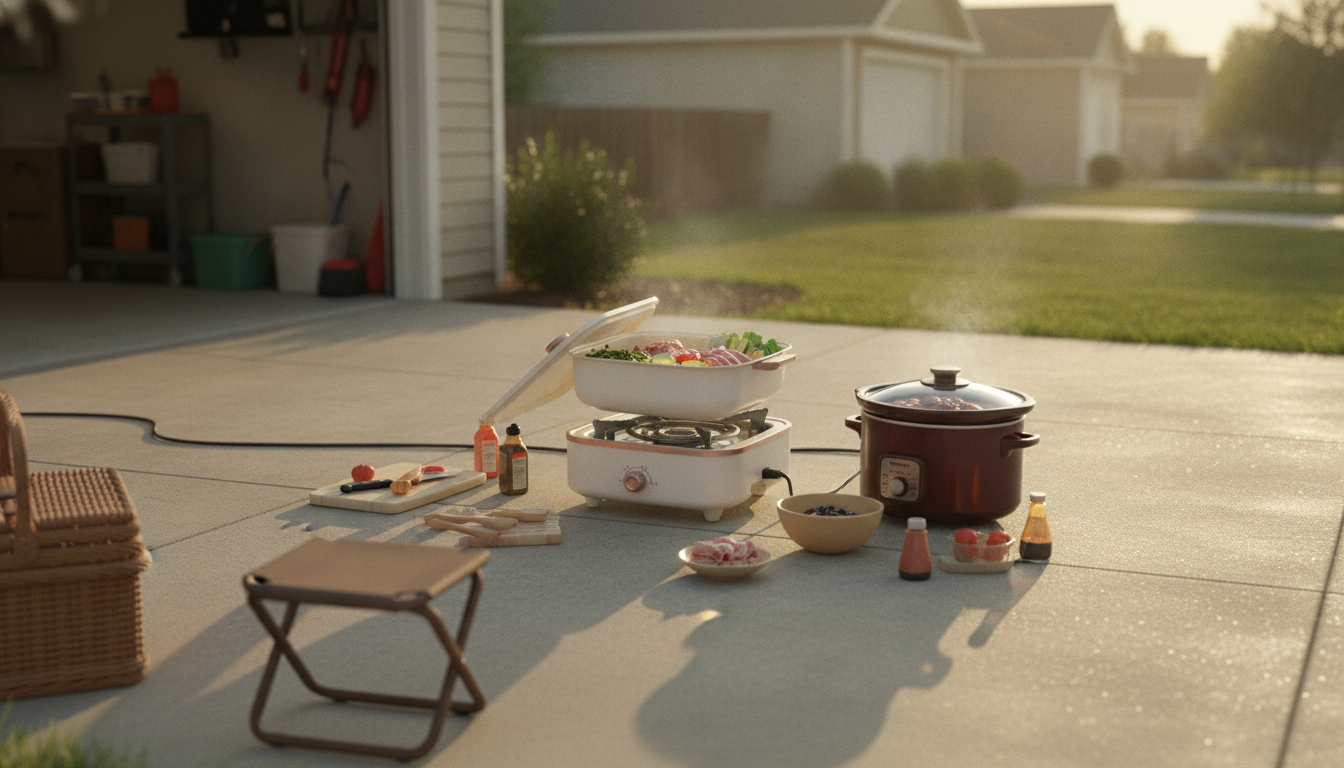
Is an electric hot pot the same as a slow cooker?
No. They’re both countertop appliances for cooking in one vessel, but they’re built for different styles of cooking and day-to-day use. An electric hot pot is designed for fast heating at the table—think shabu-shabu, ramen, quick soups, and simmering broth while you eat. A slow cooker is designed for low, steady heat over several hours—think pulled pork, chili, stews, and braises that tenderize slowly.
How the heating style differs
Electric hot pots typically heat quickly and can boil, simmer, and keep broth hot for serving. Many models have higher wattage and more responsive temperature controls so you can go from a gentle simmer to a rolling boil. Slow cookers prioritize gentle, even heat that stays stable for long periods; they generally aren’t meant to boil rapidly, and their strength is “set it and leave it” cooking.
Best use cases for each appliance
If the goal is interactive meals, quick weeknight noodles, dumplings, hot pot dinners, or keeping soup hot while serving, an electric hot pot fits naturally. If the goal is hands-off cooking while you work or sleep—like cooking beans, roasts, or tough cuts until they’re fork-tender—a slow cooker is usually the better tool.
Can one replace the other?
Sometimes, but not perfectly. An electric hot pot can handle some low-and-slow tasks if it has a stable low setting and a lid, but you may need to monitor it more closely. A slow cooker can warm and simmer, but it’s not ideal for tabletop boiling, quick searing, or rapid temperature changes.
For a deeper comparison and practical buying tips, read the full guide here: Is an electric hot pot the same as a slow cooker?.
FAQ
Can you cook rice in an electric hot pot?
Yes, many electric hot pots can cook rice, especially smaller batches, as long as the pot has a lid and a steady simmer setting. Results vary by model, so it helps to follow the manufacturer’s water ratios and timing.














Leave a comment