


Date a Nike Sweatshirt: Tags, RN/CA, Logos & Fit
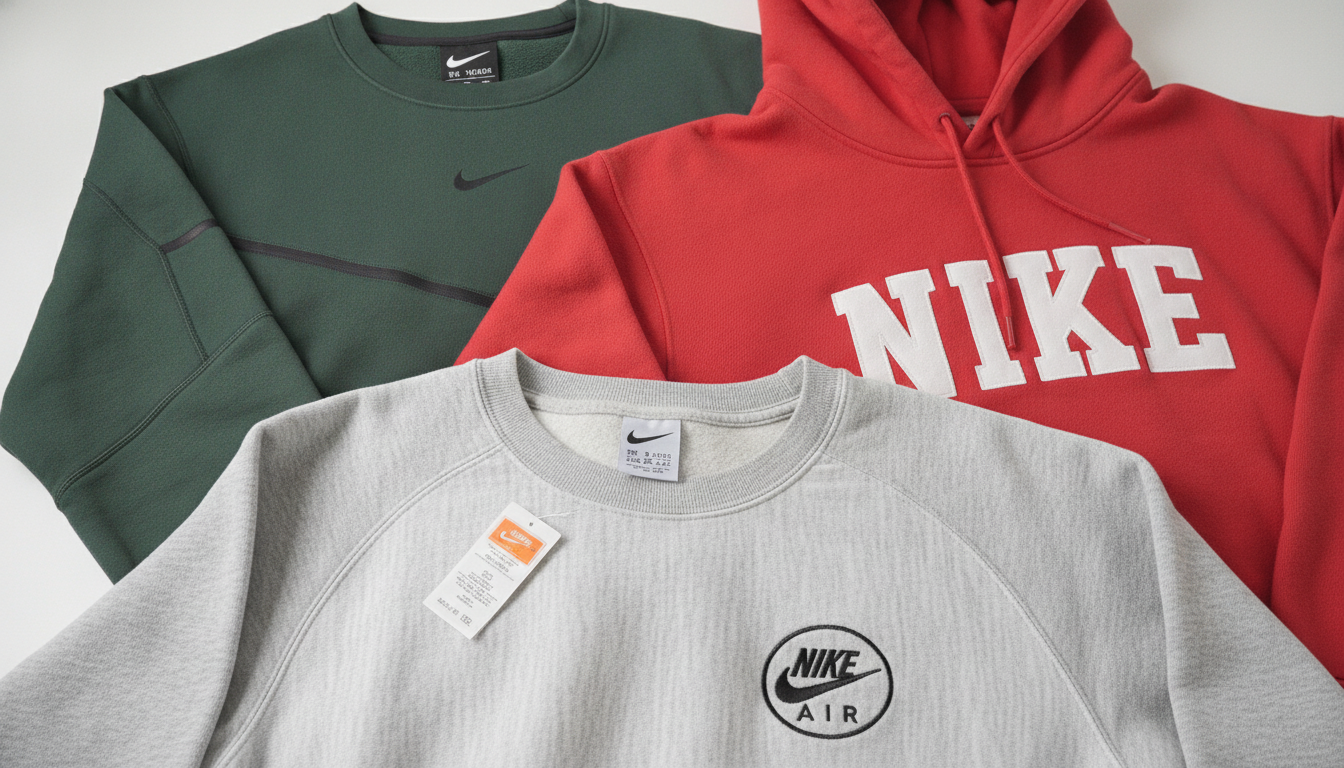
How to date a Nike sweatshirt?
Dating a Nike sweatshirt means narrowing down when it was made by checking a few reliable identifiers Nike has changed over time: the neck tag (or printed label), the RN/CA numbers, the logo style, the country of manufacture, and the fabric/fit details. Start with the tag, then confirm with at least one other clue so you’re not relying on a single detail that could vary by product line.
1) Check the neck tag or printed label first
Older Nike sweatshirts typically have a sewn-in neck tag with a larger blocky layout, while many newer pieces use heat-transferred (printed) labels. Look for a style code (often formatted like six digits plus a dash and three digits) and a production date range if present. If you see a clear style code, it’s one of the fastest ways to match the sweatshirt to a specific era.
2) Use RN/CA numbers to confirm authenticity and timeframe
Many Nike garments sold in the U.S. include an RN (Registered Identification Number), and Canadian items may include a CA number. These numbers don’t always give an exact year on their own, but they help confirm the manufacturer identity and can support what the tag design suggests. If the RN/CA is missing on a piece that should have it, take a closer look at other authenticity markers.
3) Compare logo and tag design details
The Nike Swoosh, “NIKE” wordmark, and sub-brand marks (like Nike Team or Nike ACG) have gone through subtle shifts in placement, stitching, and typography. Embroidered chest logos, oversized center Swooshes, and certain spell-outs are strongly associated with specific decades. Tag fonts and the way sizing is displayed can also help narrow the window.
4) Note made-in country, fabric weight, and fit
Manufacturing locations have shifted across decades, and the combination of country + tag style often points to a tighter date range. Heavier fleece, boxier cuts, and certain ribbing patterns are common on older sweatshirts, while modern pieces may feel lighter and have a more streamlined fit.
For a deeper, step-by-step walkthrough with examples of tags and identifiers, see the full guide here: https://agathin.com/how-to-date-a-nike-sweatshirt/.
FAQ
How can you tell if a vintage Nike sweatshirt is authentic?
Check for consistent stitching and clean embroidery/print edges, then verify the neck tag details (brand layout, size, RN/CA, and style code format). Mismatched fonts, sloppy seams, and missing/odd tag information are common red flags.













Leave a comment