


How Smart Tables Keep Drinks Cold (Peltier Explained)
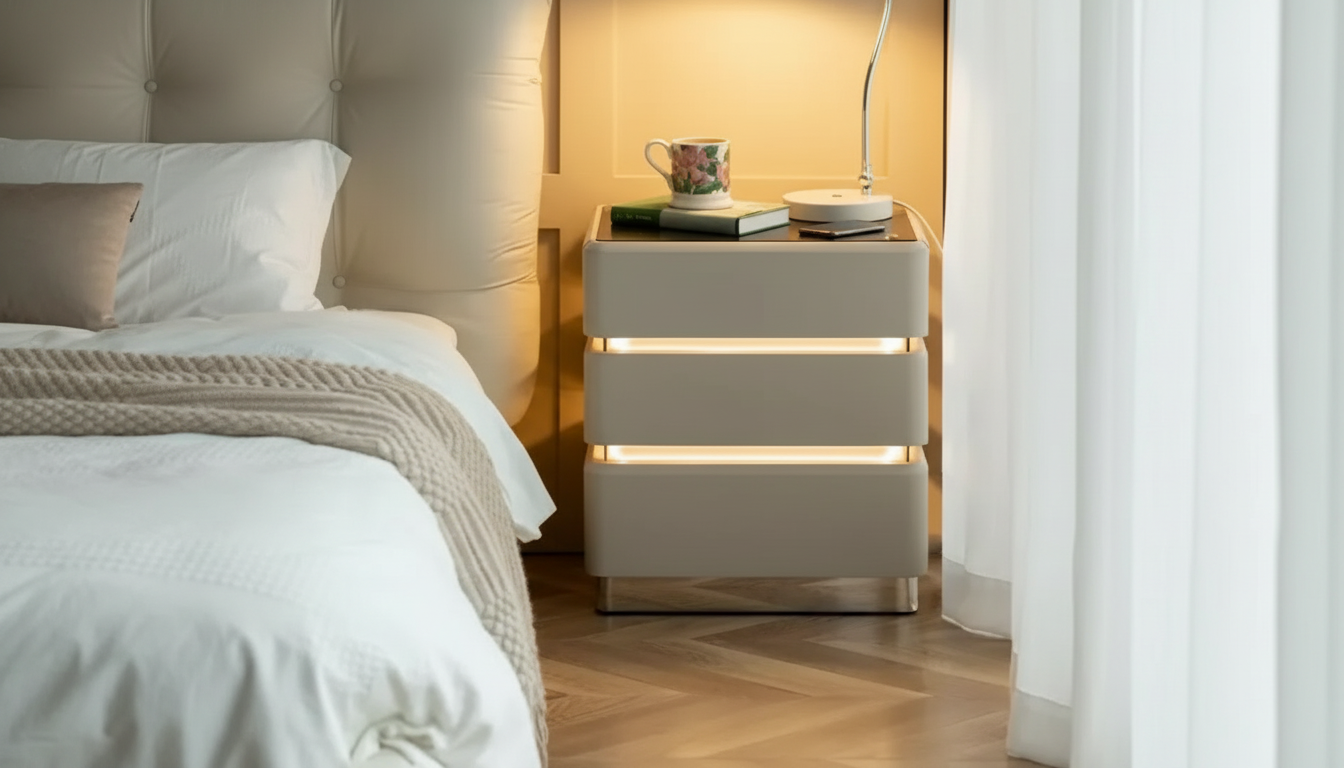
How does a smart table keep drinks cold?
A smart table keeps drinks cold by using built-in cooling hardware (or by managing a connected cooling accessory) to pull heat away from the cup area. Depending on the model, that can mean an integrated thermoelectric (Peltier) cooling plate, a chilled compartment, or a cup holder designed to maintain a low temperature around a can, bottle, or mug. Some versions also pair cooling with sensors and app controls so the surface can hold a steady set temperature instead of warming up as the room changes.
What’s happening under the surface?
Most “cold drink” smart tables rely on thermoelectric cooling. A Peltier module creates a temperature difference when electricity passes through it: one side gets cold while the other side gets hot. The cold side is placed under the drink zone, while the hot side is attached to a heat sink and fan to push heat away. Without that heat removal, the cold plate can’t stay cold for long.
How does it keep the temperature steady?
Better designs use temperature sensors near the cooling plate to monitor the surface and cycle the cooling on and off. This prevents overcooling (which can cause excessive condensation) and helps the table maintain a consistent chill over time. Some tables let you choose a mode—like “cool,” “hold,” or “eco”—so you can prioritize maximum cooling or quieter operation.
What affects real-world cooling performance?
Cooling power varies widely. A table may keep a sealed can noticeably colder for longer, but it won’t instantly chill a warm beverage like a refrigerator. Results depend on the drink’s starting temperature, cup material (metal conducts cold faster than thick ceramic), airflow around the table’s vents, and room temperature. Condensation management also matters; a recessed cup well or removable drip tray helps keep moisture from spreading across the tabletop.
How does this fit into a bedside setup?
Cold-drink features are often bundled with “smart bedside” priorities—charging, lighting, and cable control—so the tabletop stays functional without extra gadgets. For a practical, clutter-free layout that pairs well with modern smart furniture features, see this smart bedside table setup guide.
FAQ
Do smart tables need special cups to use the cooling feature?
Usually no—most cooling zones work with standard cans, bottles, and mugs. You’ll get the best results with thinner, more conductive materials (like aluminum cans or stainless tumblers) and by keeping the drink centered on the cooled area.









Leave a comment