


Marble Effect Tiles: Pros, Cons & Best Uses
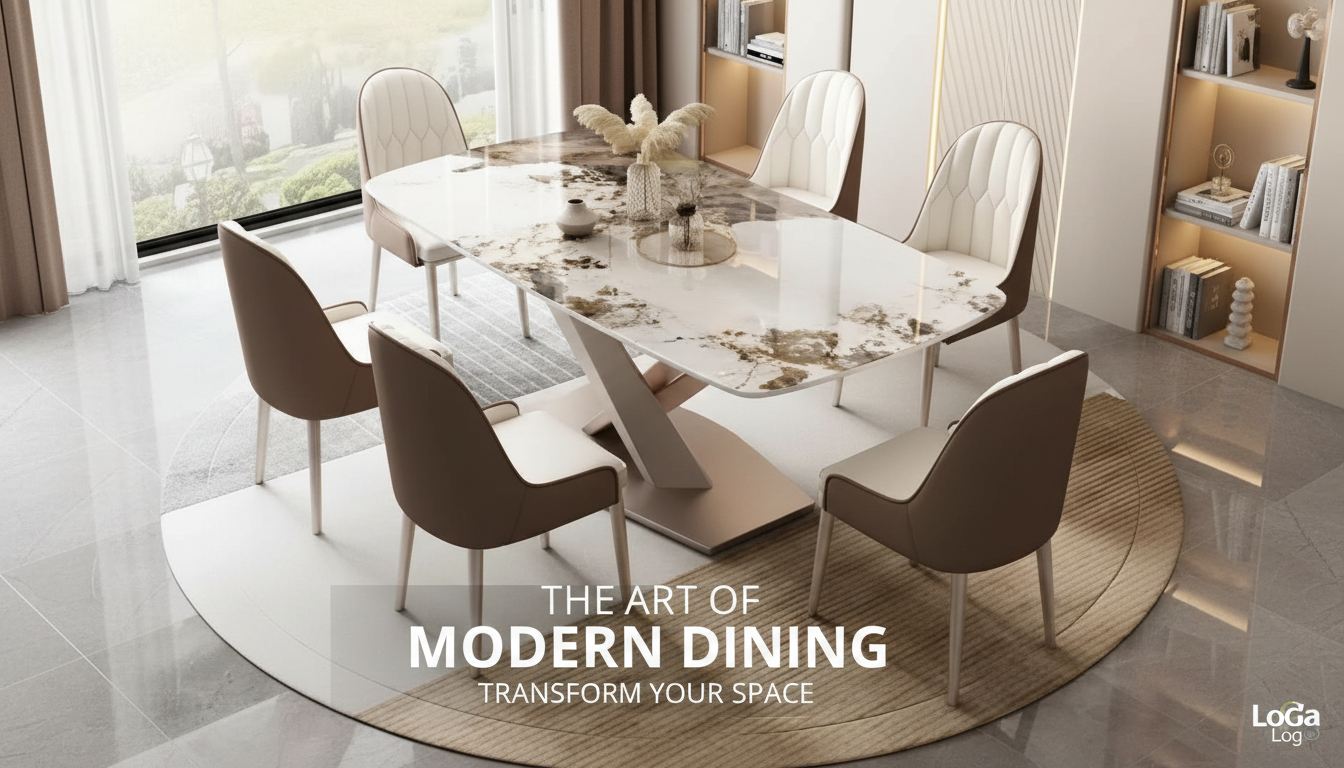
What are the pros and cons of marble effect tiles?
Marble effect tiles are designed to mimic the veining and depth of natural marble while offering a different performance profile than real stone. They’re a popular choice for floors, showers, backsplashes, and feature walls because they can deliver a high-end look with fewer day-to-day demands.
Pros of marble effect tiles
Luxurious marble look with consistent results
Marble effect porcelain and ceramic tiles can closely replicate classic stones like Carrara or Calacatta. Because they’re manufactured, you can often achieve a more predictable color range and pattern coordination across a space.
Lower maintenance than natural marble
Unlike real marble, marble look tiles don’t require sealing and are generally less sensitive to etching from acids (like vinegar or citrus) and many common household products. Regular sweeping and a pH-neutral cleaner are usually enough.
Strong performance in busy and wet areas
Porcelain marble effect tiles are typically dense and hard-wearing, making them well-suited to high-traffic floors, kitchens, and bathrooms. Many options also provide good water resistance for shower walls and wet zones when properly installed.
Budget-friendly access to a premium style
In many cases, the material and upkeep costs come in lower than natural marble, especially when factoring in sealing, specialty cleaners, and potential refinishing over time.
Cons of marble effect tiles
Not the same depth as real stone up close
Natural marble has unique variation and a mineral “life” that some people still prefer. Even high-quality replicas can look more uniform at close range, particularly on large uninterrupted surfaces.
Grout lines and installation still matter
Tile means grout, and grout can discolor if not sealed or cleaned properly. Poor layout, uneven lippage, or mismatched grout color can also undermine the marble illusion, so professional installation and thoughtful grout selection are important.
Surface finish can affect slip resistance
Polished marble effect tiles may be slick when wet, which can be a concern for bathroom floors. Matte or textured finishes can improve traction but may slightly reduce the glossy “stone” effect.
For a deeper breakdown of materials, finishes, and where each option performs best, see the full guide on marble effect tiles.
FAQ
Are marble effect tiles suitable for underfloor heating?
Yes—porcelain and ceramic marble effect tiles typically work well with underfloor heating when installed with compatible adhesive and an appropriate uncoupling or crack-isolation system if required.












Leave a comment