


Do Air Purifiers Work for Pollen Allergies?
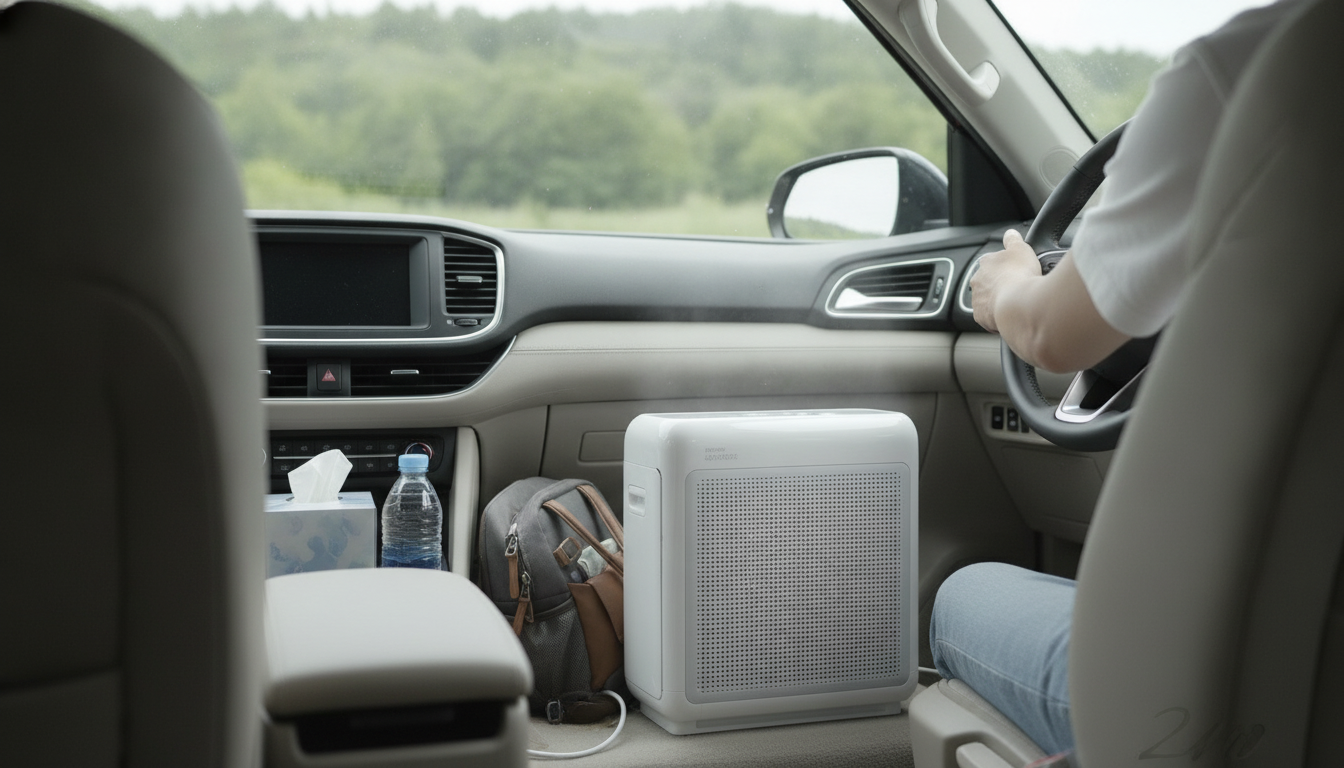
Do air purifiers actually help with pollen?
Yes—air purifiers can meaningfully reduce airborne pollen inside your home, especially in bedrooms and other closed rooms where windows stay shut. The biggest factor is filtration: a true HEPA filter is designed to capture very small particles, and pollen grains are large enough that a well-sealed HEPA unit can trap them effectively as air cycles through the machine.
When an air purifier makes the biggest difference
An air purifier helps most when outdoor pollen is being tracked or blown indoors and then kept suspended in the air—such as during peak allergy seasons, on windy days, or when doors open frequently. Running the purifier continuously in a single room can lower the overall pollen load in the air, which may reduce sneezing, itchy eyes, and congestion for many people.
What to look for in a purifier for pollen
Choose a unit with a true HEPA filter (not just “HEPA-like”) and a clean air delivery rate (CADR) sized for the room. An undersized purifier won’t cycle enough air to keep up. For homes with strong odors or smoke concerns, an activated carbon stage can be a helpful add-on, but pollen control primarily depends on HEPA filtration and good airflow.
What an air purifier can’t do (and how to improve results)
Air purifiers don’t remove pollen that has already settled on floors, bedding, or upholstery. They also won’t stop pollen from entering in the first place. Pair a purifier with practical steps: keep windows closed during high pollen counts, shower and change clothes after being outdoors, vacuum with a HEPA-equipped vacuum, and replace HVAC filters regularly. Place the purifier where air can circulate freely (not jammed into a corner), and keep doors closed if you’re focusing on one room.
For a deeper breakdown of filter types, sizing tips, and setup recommendations, see Do Air Purifiers Actually Help with Pollen?.
FAQ
Should I run an air purifier all day during allergy season?
Running it continuously is often best for pollen, since new allergens can enter throughout the day. If noise is a concern, use a higher setting when you’re out and a quieter setting while sleeping.









Leave a comment