


HEPA Air Purifiers for Asthma: What Helps (and What Doesn’t)
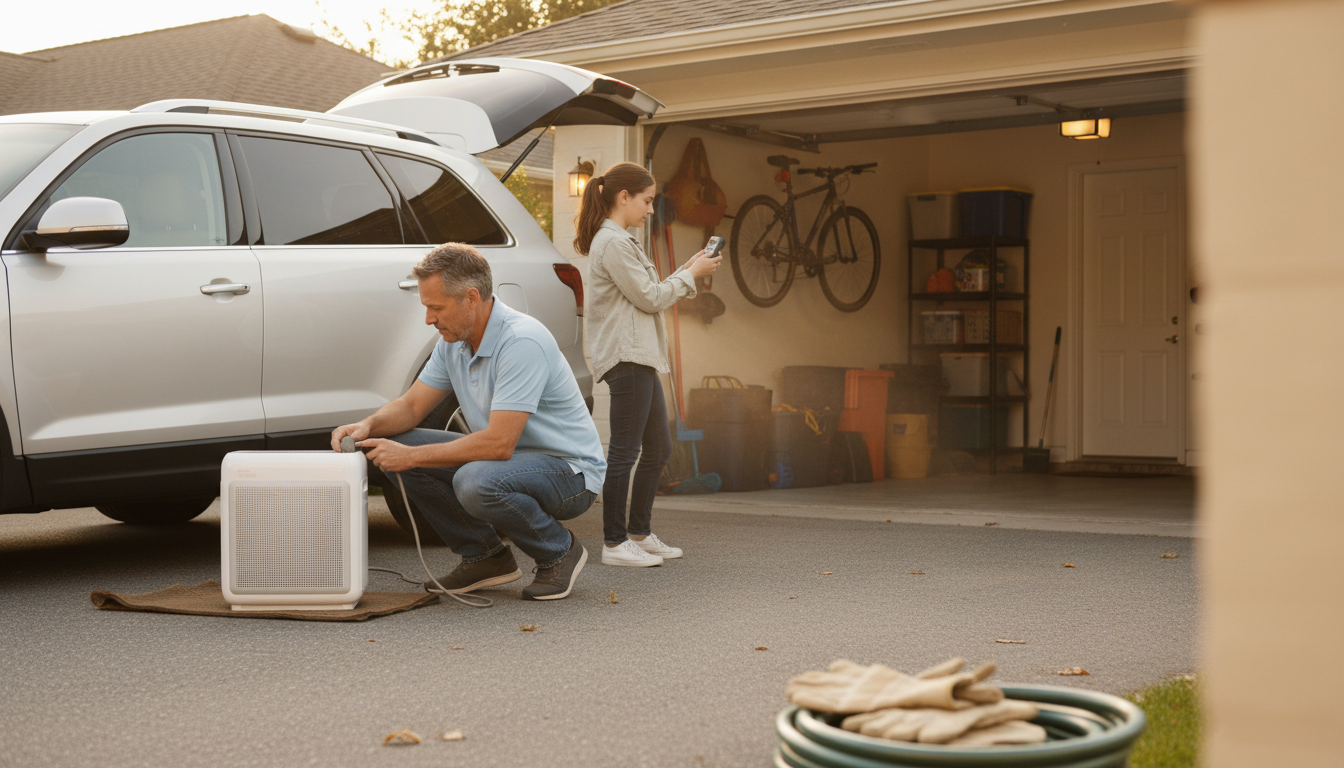
Do HEPA air purifiers help with asthma?
HEPA air purifiers can help with asthma by reducing common airborne triggers that irritate sensitive airways. A true HEPA filter is designed to capture very small particles, including dust, pollen, pet dander, and many smoke-related particulates. For people whose asthma symptoms flare when these particles build up indoors, cleaner air can translate into fewer symptoms, better sleep, and less reliance on rescue inhalers (as directed by a clinician).
How a HEPA purifier may improve asthma symptoms
Asthma attacks are often triggered by inflammation caused by allergens and irritants. A HEPA purifier works by continuously pulling room air through a dense filter that traps particles instead of letting them circulate. In day-to-day life, that can matter most in bedrooms and other spaces where someone spends hours at a time.
To get real benefit, match the purifier to the room size and run it consistently—especially during allergy seasons, wildfire smoke events, or if you have pets. Placement also matters: keep it in an open area with a few feet of clearance so it can circulate air effectively.
What a HEPA purifier can’t do for asthma
HEPA filtration doesn’t remove everything that can worsen asthma. It won’t fix moisture problems that feed mold, eliminate dust mites embedded in bedding, or stop irritants created at the source (like strong fragrances). Standard HEPA filters also don’t remove most gases and odors; for that, a purifier needs a substantial activated carbon component.
For best results, pair a HEPA purifier with trigger control: regular vacuuming using a HEPA vacuum, washing bedding in hot water, keeping indoor humidity in check, and avoiding indoor smoking or heavy scents.
Learn more
For a deeper look at how filtration works and what to look for when buying, visit the full guide: Do HEPA air purifiers help with asthma?
FAQ
Do air purifiers help with allergies and dust?
Yes, a true HEPA purifier can reduce airborne dust, pollen, and dander, which can lessen allergy symptoms for many people. Results are strongest when the unit is sized correctly for the room and run consistently.














Leave a comment