


Luxury Living Room Styling Guide: Steps + Checklist
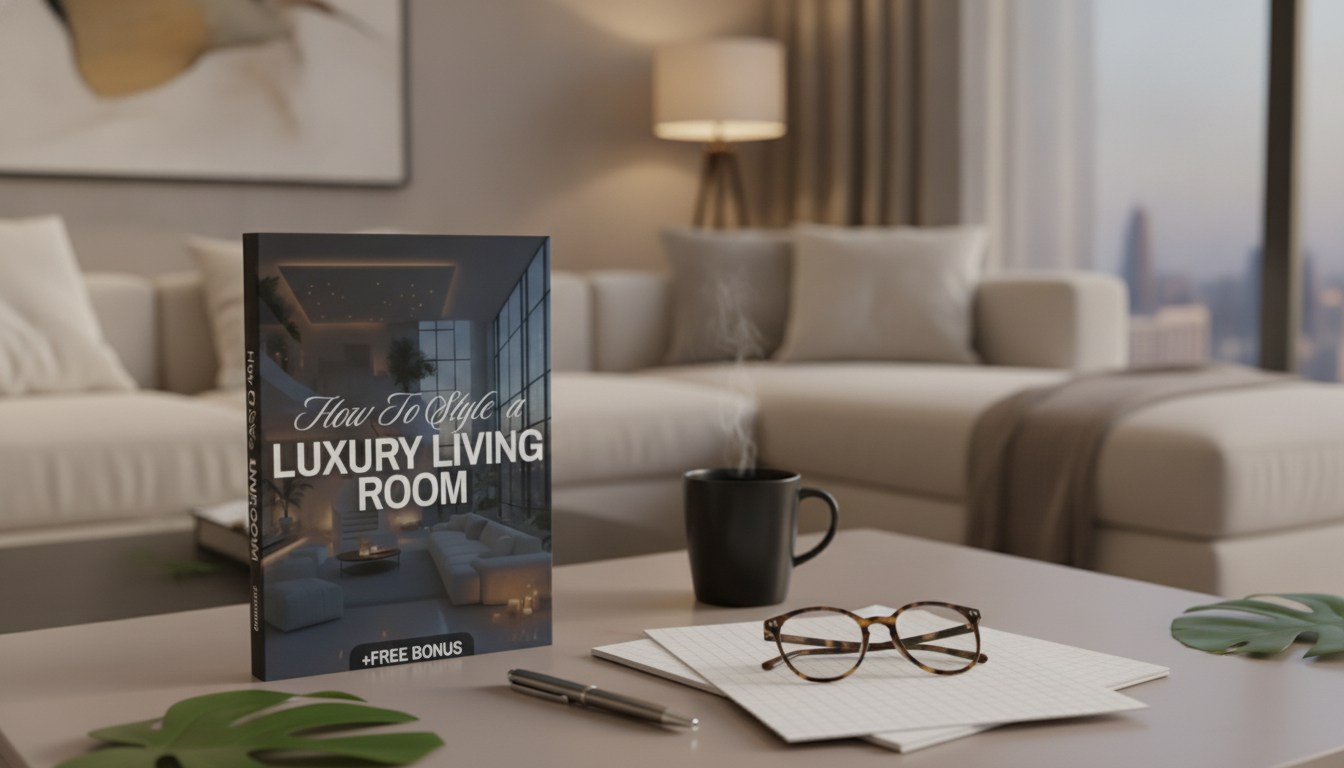
How to Style a Luxury Living Room: A Step-by-Step Digital Guide + Checklist for Elegant Interiors
A luxury living room feels calm, intentional, and elevated—without looking staged. The difference is usually not one expensive item, but a clear plan: proportion, layout, layered lighting, tactile materials, and finishing details that read “custom.” Use the steps below to build a high-end look systematically, then finalize with a simple checklist that keeps every decision cohesive. For more guidance, see 107 stylish living room ideas to copy now | House & Garden.
Start With a Clear Style Direction
Luxury interiors look expensive because they look edited. Before shopping or rearranging, choose one core mood—modern glamour, quiet luxury, classic European, or contemporary organic—and stay consistent across silhouettes and finishes. For further reading, see 91 Modern Living Room Design Ideas for the Ultimate Hangout Spot.
- Choose one core mood and commit to it across furniture shapes, metals, and textiles.
- Define three guiding words for every decision (examples: “tailored, warm, luminous” or “sculptural, minimal, tonal”).
- Select a restrained color story: one dominant neutral, one supporting tone, one accent, plus metallic or wood warmth.
- Avoid mixing too many statement styles at once; luxury reads as controlled and cohesive.
Plan the Layout Like a Designer
Even the best pieces can look underwhelming if they’re spaced poorly. Treat the seating group like a “room within the room,” designed for conversation and comfort.
- Prioritize conversation: align seat heights, angle faces inward, and keep walkways comfortable.
- Anchor the room with a properly scaled rug; front legs of key seating should sit on it for a unified, custom feel.
- Treat the coffee table as a functional centerpiece: keep edges aligned with seating depth and leave reach space.
- Use symmetry intentionally (paired chairs, twin lamps) for instant polish, then soften with one asymmetric element.
Quick Sizing Guide for a Luxury-Looking Living Room
| Element | Recommended rule | High-end tip |
|---|---|---|
| Area rug | Large enough for front legs of sofa + chairs to sit on it | Go one size up to avoid a “floating furniture” look |
| Coffee table distance | Approx. 14–18 in (35–45 cm) from seating edge | Choose a table with substantial thickness or a stone/wood top |
| Side tables | Near arm height of seating | Match finish family (metal/wood/stone) rather than identical designs |
| Ceiling light/fixture | Visually centered to seating zone | Oversize slightly for drama; use a dimmer for control |
| Curtains | Hang high and wide; skim the floor | Use heavier fabric or a lined drape for a tailored fall |
Build a Luxurious Palette: Color, Metals, and Wood Tones
High-end rooms rarely rely on a lot of color. Instead, they rely on nuance: layered neutrals, controlled accents, and a consistent “temperature” across finishes.
- Layer neutrals for depth: cream + taupe + warm gray reads richer than a single flat beige.
- Limit competing metal finishes; pick one primary (brass, polished nickel, blackened steel) and one subtle secondary.
- Keep wood tones within a tight range (light oak family or walnut family) to avoid visual noise.
- Add one “jewelry” note—lacquer, marble, onyx, or a high-gloss accent—used sparingly.
Focus on Materials That Feel Expensive
Luxury is tactile. When the room feels good up close, it also looks more premium from across the room. Prioritize “touchable” surfaces and pieces with visual weight.
- Choose tactile textiles: bouclé, velvet, linen blends, mohair-style throws, and dense wool rugs.
- Mix matte and sheen for dimension (matte walls + satin drapery + polished hardware).
- Use stone and glass strategically: a travertine tray, alabaster-style lamp, or thick glass vase elevates styling fast.
- Aim for “weight”: substantial frames, solid lamp bases, and thicker textiles signal quality.
Layer Lighting for a High-End Glow
Lighting is often the fastest upgrade, because it affects every surface and every color in the space. A layered plan creates a soft, hotel-like glow rather than a single harsh overhead source. For deeper technical guidance, the IES Lighting Handbook is a trusted industry reference.
- Use three layers: ambient (ceiling), task (reading), and accent (art/picture lights or sconces).
- Choose warm color temperature (around 2700K) for flattering, inviting light.
- Add at least two table lamps in the living area to avoid overhead-only lighting.
- Put key lighting on dimmers; luxury is often about control and softness.
Create a Statement Moment Without Overdoing It
Luxury rooms usually have one focal moment that feels deliberate—then everything else supports it. For scale and composition inspiration, browse large works in The Met Collection and notice how negative space makes art feel more important.
Style Like a Luxury Hotel: The Finishing Details
Tools That Help You Pull the Look Together
- How to Style a Luxury Living Room – Digital Guide, eBook & Checklist for Elegant Interiors, Luxury Home Decor, High-End Design Inspiration (a step-by-step plan you can follow as you edit, shop, and style).
- Modern Chrome Writing Desk for Home Office (can double as a sleek console in an open-plan living room; chrome works especially well with modern glamour or tonal contemporary spaces).
Room-Ready Checklist for an Elegant Finish
FAQ
What makes a living room look luxurious without buying all new furniture?
Focus on scale and editing: upgrade to a larger rug, hang lined drapes high and wide, add layered warm lighting, and keep finishes cohesive. Replace many small accessories with a few substantial pieces (a tray, large books, one sculptural object) and clear visual clutter.
How many colors should a luxury living room have?
A restrained scheme works best: one dominant neutral, one supporting tone, and one accent, plus a consistent metal/wood warmth. Let texture provide variety instead of adding more colors.
What lighting is best for an elegant, high-end feel?
Use layered lighting—ambient, task, and accent—with warm bulbs around 2700K. Multiple lamps and dimmers create a soft glow that feels polished and relaxing.









Leave a comment